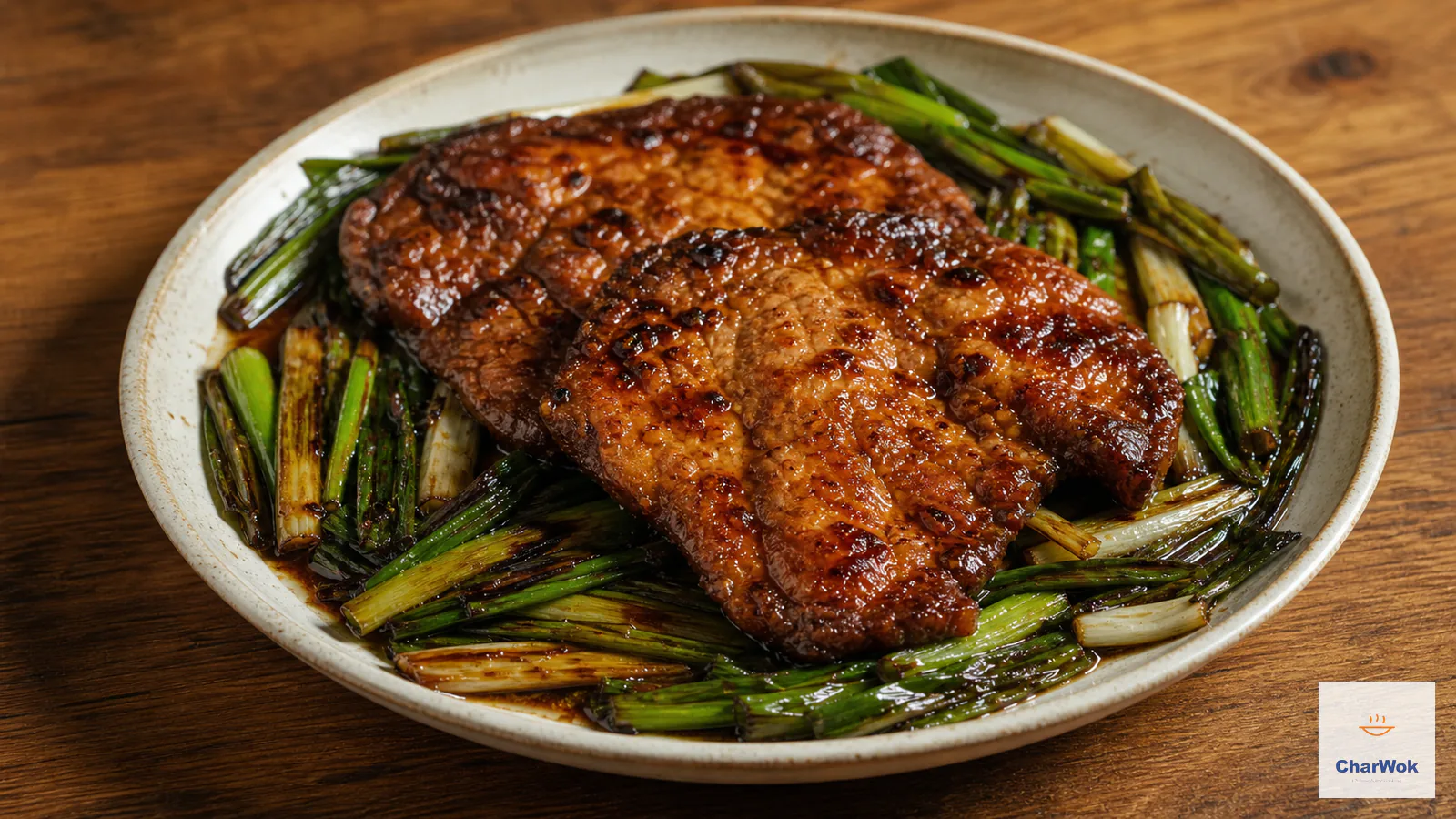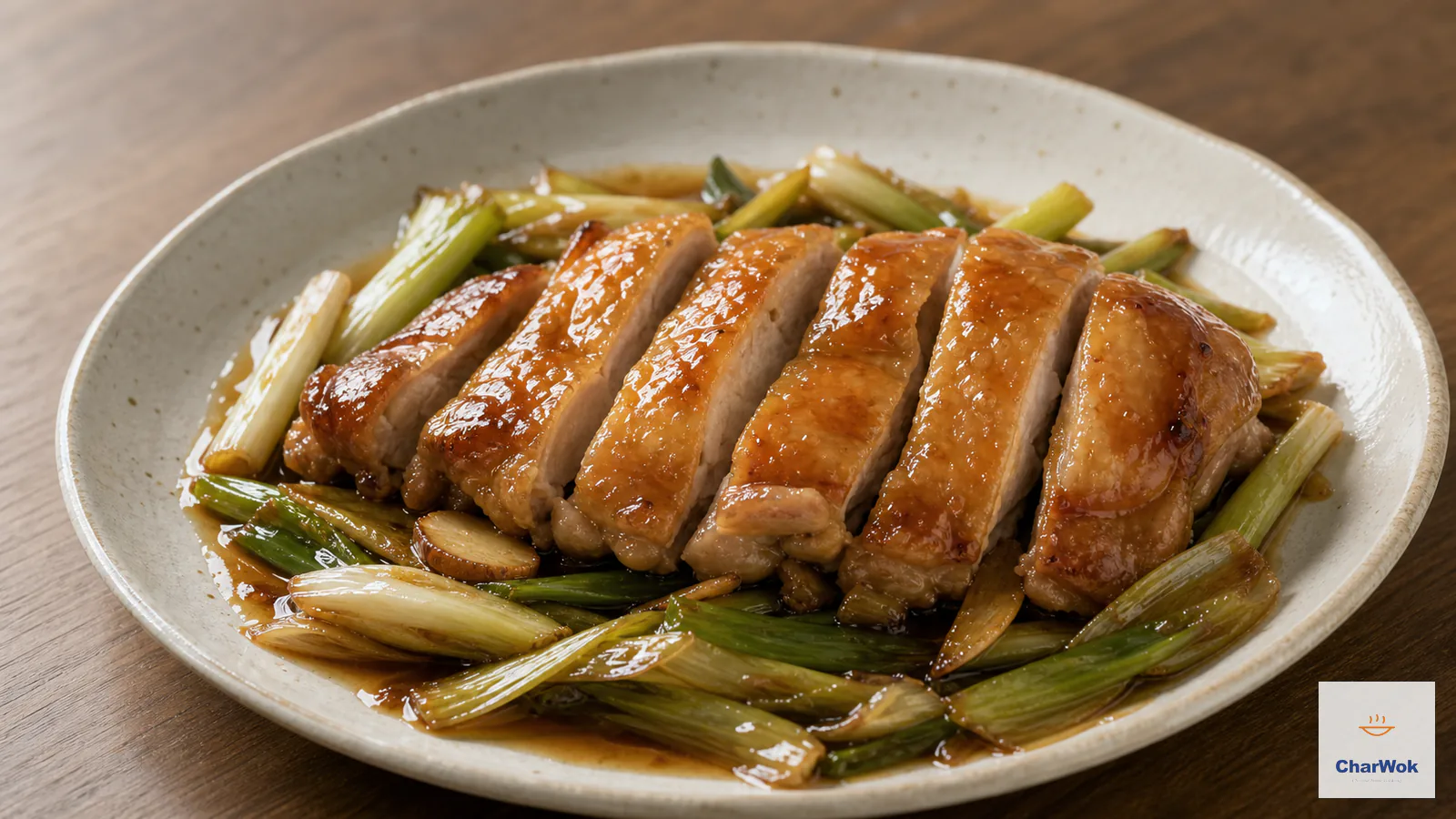
Scallion chicken chops (Cōng Shāo Jī Tuǐ, 葱烧鸡腿) pair browned, skin-on chicken with plenty of softened scallions in a glossy soy sauce. The useful distinction is between braising and reducing: the covered stage cooks the chicken, while the uncovered stage concentrates the sauce until it coats the meat.
Skin-on leg quarters render enough fat to brown without added oil. That rendered fat then carries the scallion and ginger, while light soy provides most of the seasoning and dark soy deepens the colour. Keeping those roles separate makes the short braise easier to control.
Debone four leg quarters (about 900 g / 2 lb), sear them in their own fat, then braise and reduce them in a soy-scallion sauce. Start checking after the stated times and cook every piece to 165°F (74°C). Total time is about 30 minutes for four servings.
Where this dish comes from
In this dish, shāo (烧) describes browning the main ingredient, adding a seasoned liquid, then simmering and reducing it. The same character appears in red-cooked pork belly, although this chicken version is much quicker because boneless dark meat needs less time than a collagen-rich pork cut.
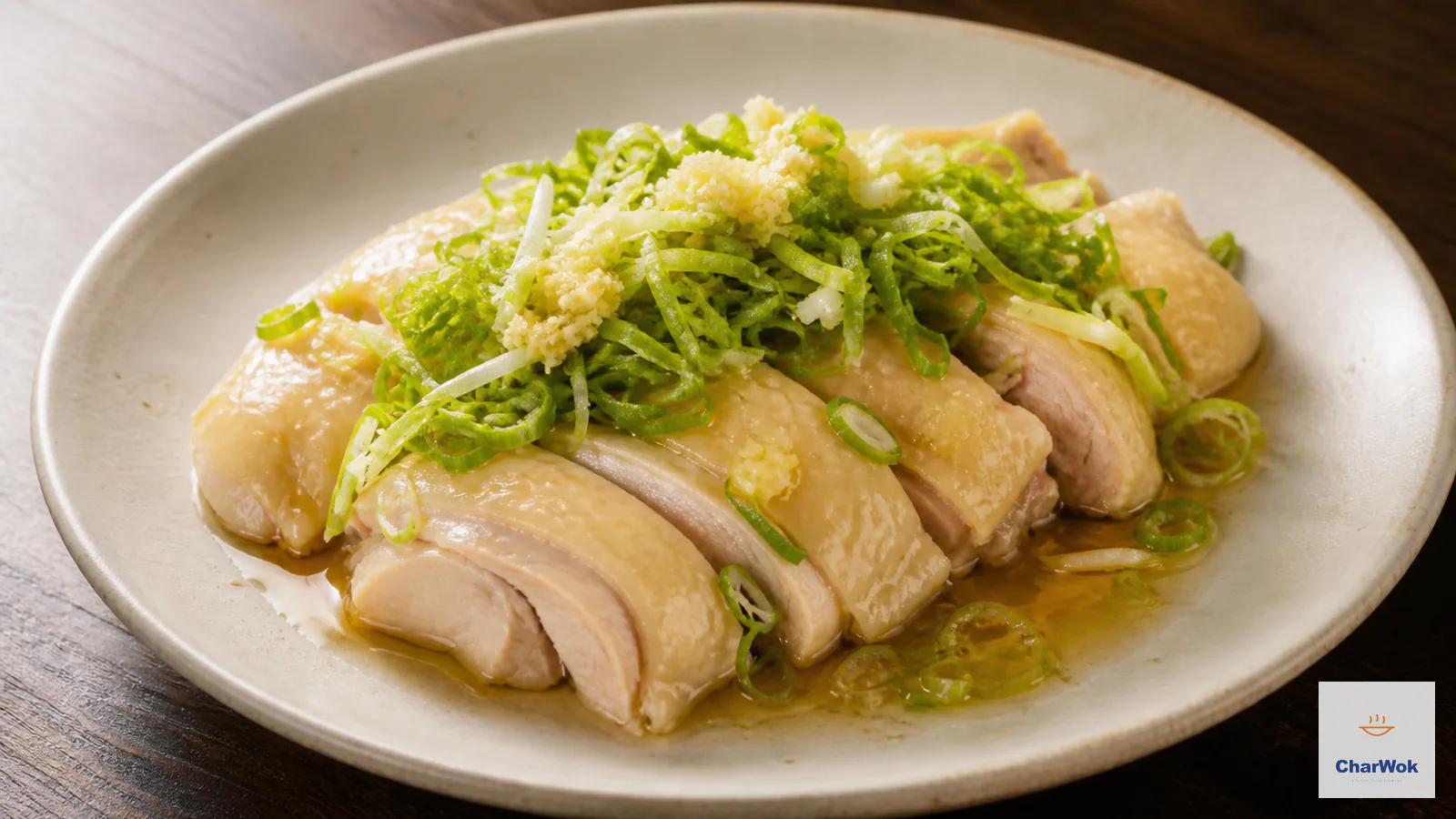
Scallion-and-soy braising runs through a lot of Chinese home cooking. The same backbone appears with pork in scallion pork chops and in a vegetarian form as scallion tofu. The chicken version sits closest in spirit to Cantonese soy sauce chicken (See Yao Gai), but where the Cantonese classic submerges a whole bird in a master stock for close to an hour, this recipe uses boneless pieces and finishes in well under twenty minutes of cooking. You trade depth for speed, and on a Tuesday that is a fair trade.
Why these cuts, and what to swap
Use bone-in, skin-on chicken leg quarters and debone them yourself. I know that sounds like a chore. It is worth it for two reasons. First, the skin is the entire fat source for the dish, so you need it. Second, a flat, boneless piece sears evenly and slices cleanly at the end, which a drumstick never will. If deboning is genuinely off the table, buy skin-on boneless thighs and skip ahead, you will lose a little presentation but keep the flavor.
Do not use breasts. They have no skin to render and almost no connective tissue to keep them juicy through a braise, so they come out gray and stringy. Wings work if you cut them into sections at the joints, and they need no deboning. If you want a richer, fall-apart version, chicken wings braised in scallion and soy are a related dish worth knowing, as is the longer peppercorn braised chicken wings for when you have time to linger.
Ingredients
Ingredients at a glance
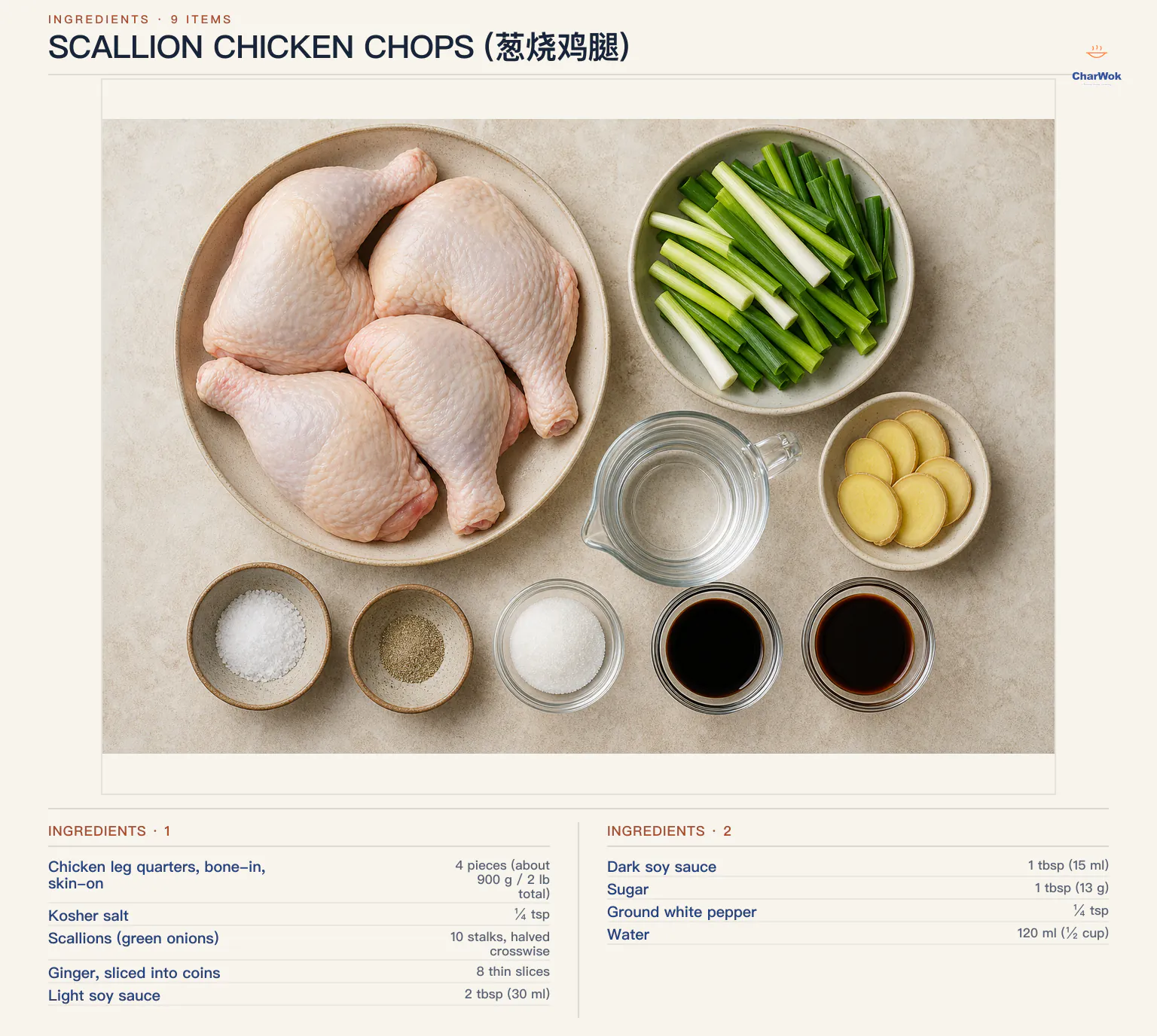
| Ingredient | Amount | Notes / substitute |
|---|---|---|
| Chicken leg quarters, bone-in, skin-on | 4 pieces (about 900 g / 2 lb total) | Skin-on boneless thighs are the easy swap; wings work in jointed sections. Avoid breast. |
| Kosher salt | ¼ tsp | For the pre-sear sprinkle only. The soy sauce carries the rest of the seasoning. |
| Scallions (green onions) | 10 stalks, halved crosswise | Use the full stalk, white and green. Do not skimp; they are half the dish. |
| Ginger, sliced into coins | 8 thin slices | A nicked coin lets more flavor out than a flat slice. No need to peel. |
| Light soy sauce | 2 tbsp (30 ml) | Provides salt and umami. See light vs. dark soy sauce for why both matter. |
| Dark soy sauce | 1 tbsp (15 ml) | Color and slight sweetness. If you only have light, add 1 tsp sugar and accept a paler sauce. |
| Sugar | 1 tbsp (13 g) | Helps the sauce glaze. Rock sugar dissolves slower but gives a cleaner sheen. |
| Ground white pepper | ¼ tsp | Milder and less harsh than black pepper here. Toasted Sichuan pepper is a good spinoff. |
| Water | 120 ml (½ cup) | Hot water keeps the braise moving; cold water stalls the pan. |
The method, with the why behind each step
- Debone the leg quarters, skin-side down. Set a quarter on the board with the skin facing the counter. Run a thin, sharp knife along the thigh bone to free the meat, then trace the drumstick bone down its length and lift it out. You are not aiming for surgical cleanliness; a little meat on the bone is fine, and those bones make great stock. Flatten the deboned piece so it lies in one even layer, then fork-pierce it a few times so the seasoning penetrates and it cooks without puffing up. Sprinkle the ¼ tsp salt over all the pieces and let them sit five minutes while you prep the aromatics. Why debone at all: an uneven, bone-in piece sears and braises patchily, leaving parts overcooked by the time the center is done.
- Sear skin-side down in a dry non-stick skillet, high heat. Lay the pieces in cold-to-warm, skin down, with no oil. As the pan heats, the fat renders and browns the skin. Leave the pieces undisturbed for three to four minutes and lift an edge to check; properly browned skin releases more easily, while flipping too soon can tear it.
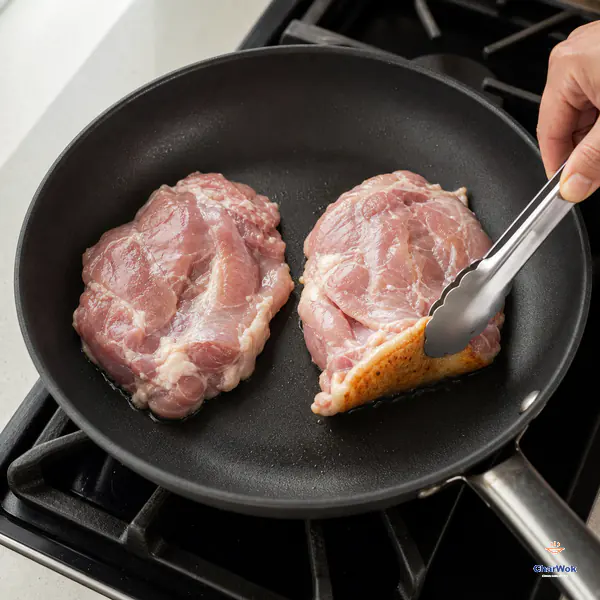
Start skin-side down in a dry pan and leave the chicken undisturbed until the skin releases on its own and a clear layer of rendered fat appears.
- Flip, brown the second side briefly, then lift the chicken out. Thirty to sixty seconds on the flesh side is plenty. You are not cooking through here, only building color via the Maillard reaction. Move the chicken to a plate and leave the rendered fat in the pan. That fat is now chicken-scented oil and it is the base for the aromatics.
- Sizzle the scallions and ginger in the chicken fat. Drop in the scallion pieces and ginger coins and turn the heat down to medium. Cook until the scallion whites soften and the greens wilt, about one minute. This step mellows the raw allium edge and flavours the rendered fat. The same sequence appears in scallion oil chicken and ginger chicken.
- Nest the chicken back in, skin-side up, and pour in the sauce. Stir the light soy, dark soy, sugar, white pepper, and hot water together first so the sugar dissolves, then pour it around the chicken, not over the skin. You want the skin sitting above the liquid so it stays relatively crisp during the covered braise rather than soaking from the start.
- Bring to a boil, lid on, medium heat, six minutes. The covered braise cooks the meat while the scallions soften into the liquid. Keep the lid on and maintain a gentle simmer. Six minutes is a starting point, not a doneness test; piece thickness and pan temperature vary.
- Flip skin-side down, uncover, and reduce for about three minutes. Check several of the thickest pieces with an instant-read thermometer inserted sideways into the centre. Every piece must reach 165°F (74°C). If the chicken reaches temperature before the sauce coats a spoon, move it to a clean plate and finish reducing the sauce on its own. If the sauce thickens first, lower the heat and keep cooking the chicken gently until it reaches temperature.
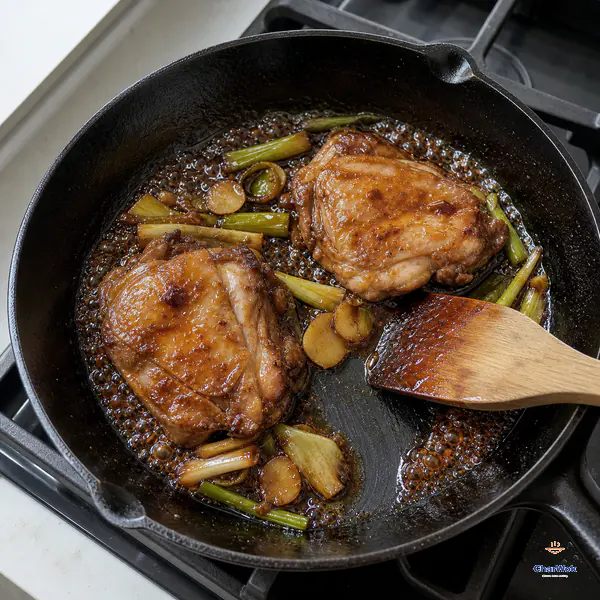
Uncover, turn the skin into the sauce and reduce only until dense bubbles form and a spatula briefly exposes the pan before the glaze closes back over it.
- Slice and serve over the sauce and scallions. Move the chicken to a board, rest it one minute so the juices settle, then cut each piece into strips. Pile the scallions and sauce onto rice or a plate first, lay the chicken on top, and pour any remaining glaze over. The scallions are not garnish; they are the best part.
When it goes wrong, and how to fix it
The skin tore and stuck to the pan. Two causes: you flipped too early, or the pan was not hot enough when the chicken went in. Pat the skin dry before searing, start skin-down in a pan that is already warming, and trust the three-to-four-minute window. A stuck skin will release on its own when it is actually brown.
The sauce stayed thin and runny. Almost always too much water or too short a final reduction. The fix is patience in step seven, not more ingredients. Keep the lid off and let it bubble until a spoon dragged through leaves a brief trail. If you are using an electric coil stove that responds slowly, move the pan to a hot burner for the final reduce. Rock sugar or a half-teaspoon cornstarch slurry will thicken a stubborn sauce, but try patience first.
The chicken is dry or stringy. It cooked beyond its safe target, or the pieces were different thicknesses. Use the times as checkpoints, then measure the thickest parts and remove each piece once it reaches 165°F (74°C). If one piece finishes early, move it to a clean plate while the others continue cooking.
The sauce tastes one-note salty. You leaned too hard on light soy and skipped the dark. Dark soy is less salty and slightly sweet, and it rounds the edge off the light. A pinch more sugar and a teaspoon of water will rescue a too-salty pan, but next time measure both soy sauces separately rather than eyeballing.
The scallions turned to mush. They braised too long or the heat was too high during the covered phase. Keep the braise at a gentle simmer, not a rollicking boil, and do not extend the six minutes without checking the meat first.
Variations and what to serve it with
The scallion-soy base takes additions well. Toss in a spoon of chili oil or a minced bird's-eye chile with the aromatics for heat. A tablespoon of oyster sauce in the braise deepens the umami and pushes the dish toward the Taiwanese three-cup family, which is exactly what three cup chicken (San Bei Ji) does with soy, sesame oil, and rice wine. A star anise and a cinnamon stick turn it gently toward red-braise territory without changing the technique.
For a meal, the natural base is steamed jasmine rice, which catches every drop of sauce. A cold, crunchy side balances the richness: smashed cucumber salad, broccoli with garlic sauce, or a quick mung bean sprout stir-fry. The sliced chicken also folds neatly into steamed bao buns with the scallions and a drizzle of sauce, the same way gua bao or Peking duck get wrapped. Leftovers make an excellent fried-rice topping.
Storage and reheating
Transfer leftovers to shallow containers and refrigerate within two hours of cooking, or within one hour if the room is above 90°F (32°C). Keep refrigerated for three to four days. Reheat the chicken and sauce gently with a spoonful of water until the thickest pieces reach 165°F (74°C); a thermometer is more reliable than waiting for the sauce to bubble. These limits follow USDA leftovers guidance.
Frequently asked questions
Can I skip deboning and just cook bone-in pieces?
You can, but bone-in pieces cook less evenly and usually take longer. Check the thickest part near the bone with an instant-read thermometer without touching the bone; every piece must reach 165°F (74°C). Use time only to decide when to start checking.
How do I know when the chicken is safely cooked?
Insert an instant-read thermometer sideways into the centre of several thick pieces and make sure each reaches 165°F (74°C). Clear juices, browned skin, and a fixed number of minutes cannot confirm a safe internal temperature. See the USDA thermometer guidance for placement advice.
Why no oil in the pan?
Skin-on chicken renders its own fat fast on high heat, and that fat then cooks the scallions. Added oil would dilute the chicken flavor and leave the dish greasy. Skinless cuts are a different recipe.
Can I make this ahead for guests?
Yes. Refrigerate it in a shallow container within two hours of cooking, then reheat the thickest pieces to 165°F (74°C) with a splash of water. Slice after reheating so the pieces stay tidy.
What if I only have one kind of soy sauce?
Use light and add an extra teaspoon of sugar; the sauce will be paler and a touch sharper but still good. Dark soy alone is too mild and will leave the dish under-salted and oddly colored.
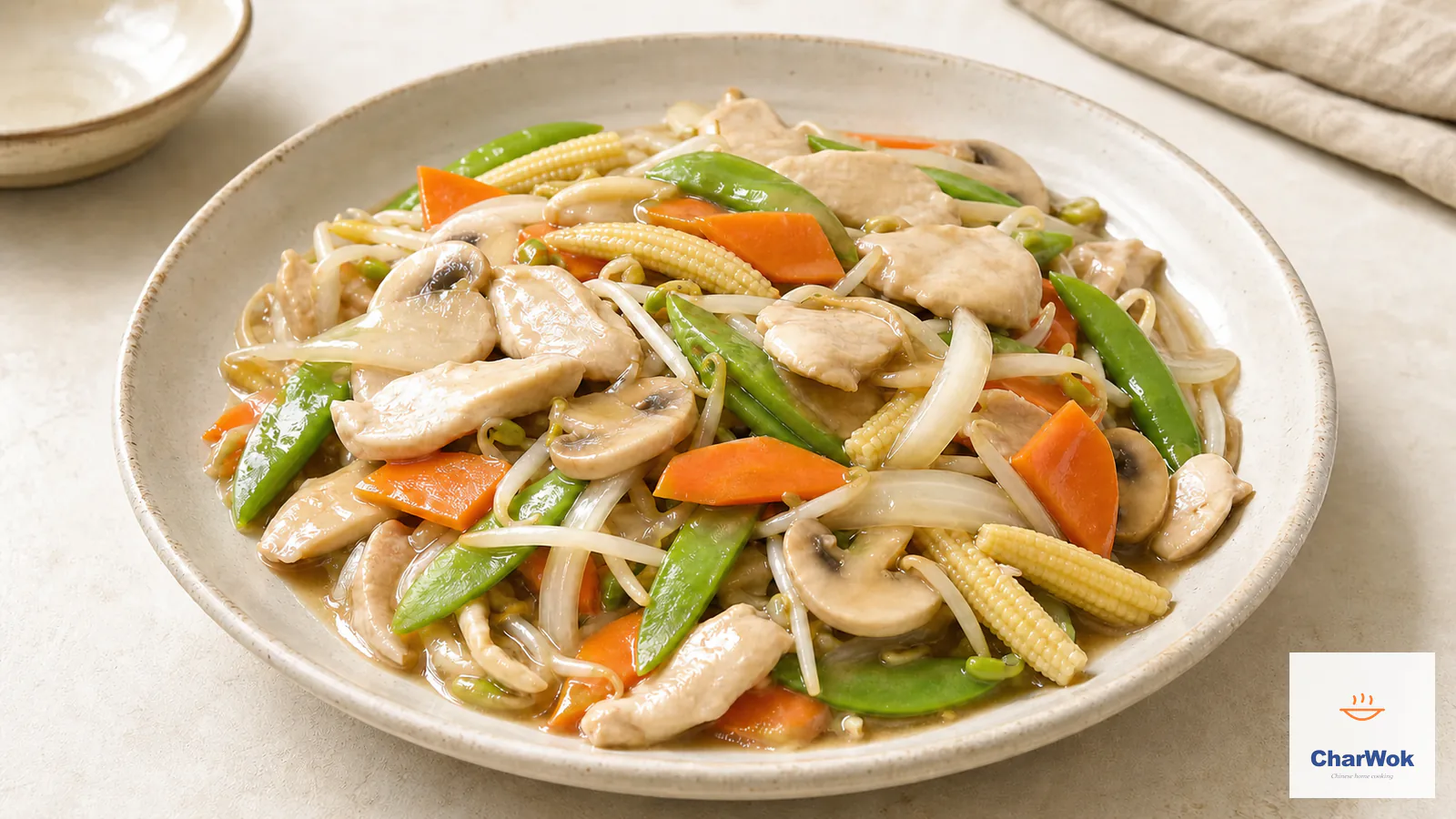
If you want to keep exploring, this recipe is one of dozens in the Chinese chicken recipes by cooking method lineup, and it shares its quick-braise DNA with chicken chop suey when you want a saucier, vegetable-heavy night instead.