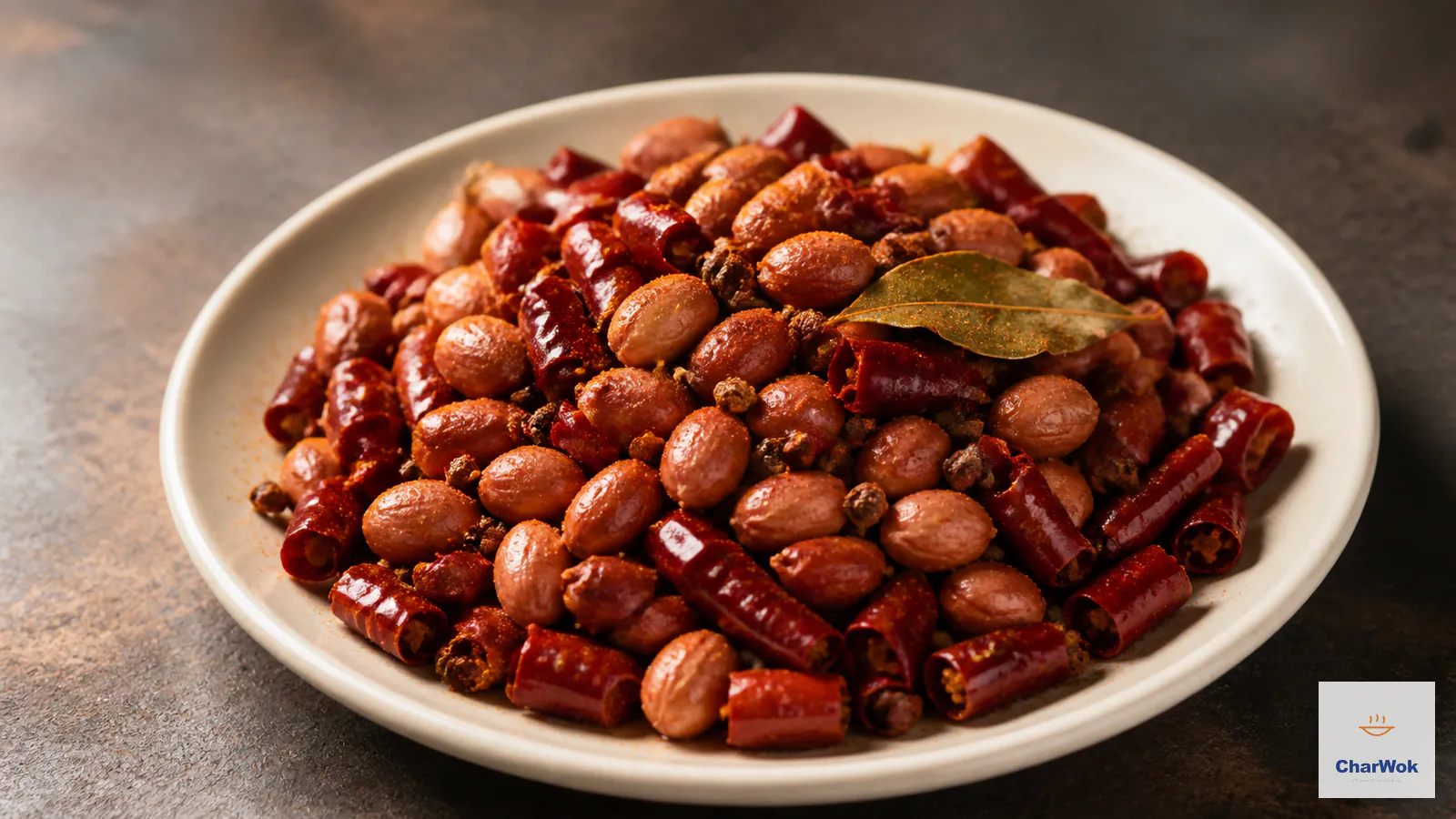
There is a reason those foil packets of numbing-spicy peanuts vanish before the actual meal begins. The skin crackles, the oil carries chili and Sichuan pepper into every crevice, and after the second piece your lips hum in a way that is hard to stop. Most home attempts fail for the same boring reason: the peanuts come out soft, or burnt, or bitter from scorched spice. None of that is a recipe problem. It is a temperature problem, and once you understand it, a bowl of these costs you about twenty minutes and a single wok.
At a glance: 200 g raw skin-on peanuts, cold-started in 120 ml oil over medium-low heat, are done in roughly 13 minutes when the skins turn a deeper red and a test peanut has no raw starch taste. Dry the soaked peanuts fully and pull them from the oil ten seconds before they look ready, because carryover heat finishes the job. Cool completely before judging crispness.
What you are actually making
This is mala huasheng (麻辣花生), the snack sold in convenience stores across China under brand names so famous that "Huang Fei Hong" has become shorthand for the category. The flavor name mala means numbing-and-spicy, the pairing that defines Sichuan cooking: dried chilies bring a slow, building heat, and Sichuan peppercorn brings the citrusy buzz that softens the burn into something tingling rather than punishing.
What separates the packaged version from the homemade one is freshness. Commercial peanuts sit in bags for months and the oil goes flat. A batch made today snaps under your teeth. It also lets you control the salt, the heat level, and the spice blend, which means no more fishing through the bag for the good bits.
The two technique principles
Cook this dish well and you are really executing two ideas that show up all over Sichuan and northern Chinese cooking.
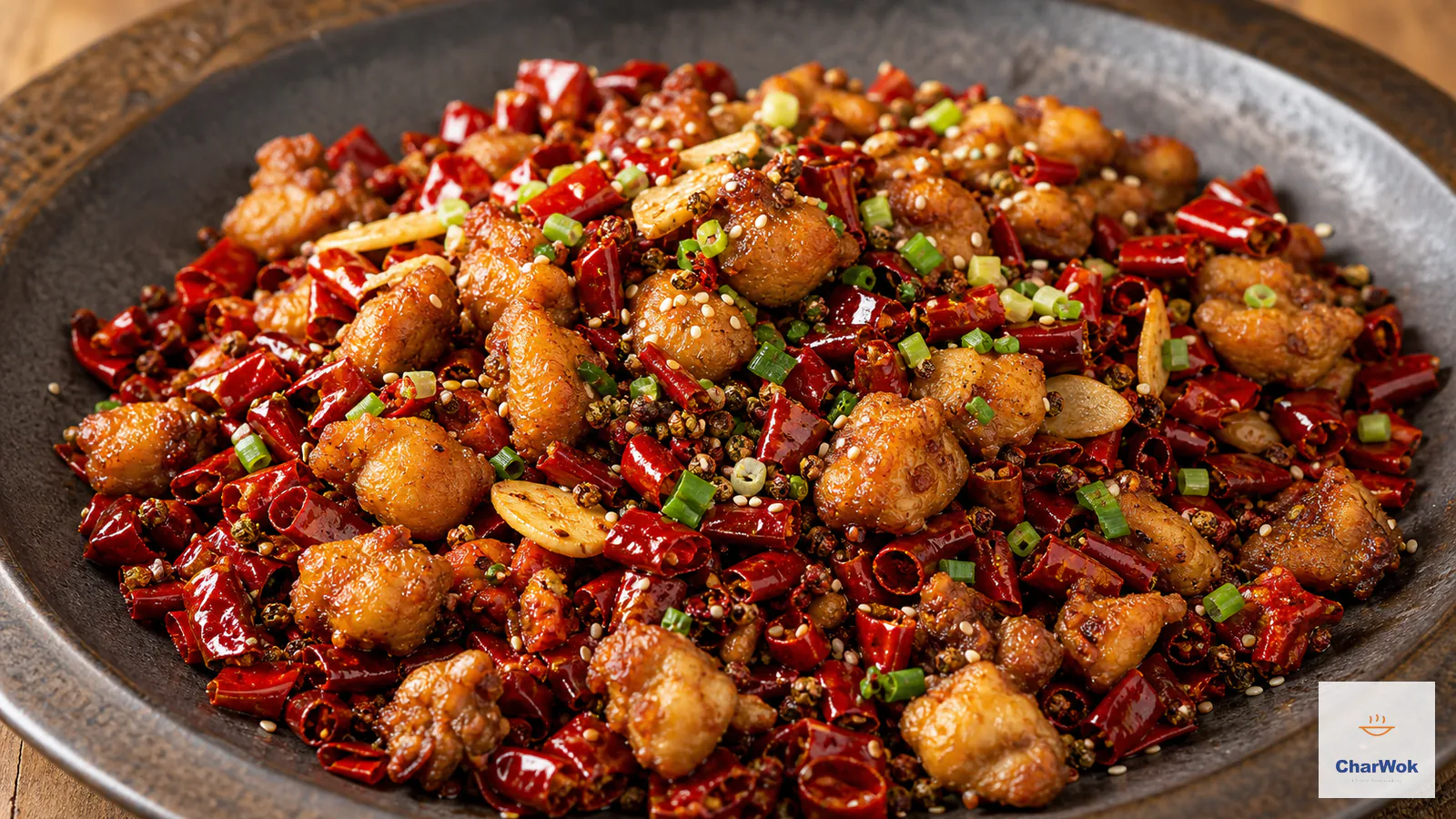
Cold-oil start, low and slow. Dropping raw peanuts into already-hot oil scorches the outside and leaves the inside mealy. Starting peanuts in cold oil and bringing everything up together lets the interior moisture escape gradually while the starches and proteins brown at a gentle rate. The same logic is why Kung Pao chicken and mala chicken lean on controlled oil temperatures, and it is the backbone of any fried nut or seed work in a Chinese kitchen.
Bloom the aromatics off the heat, not over it. Dried chilies and Sichuan peppercorn are full of volatile oils that go from fragrant to bitter in seconds. You want residual oil that is hot enough to toast them but cool enough that they never blacken. I let the wok sit off the burner for a beat before the spices go in, and I pull the pan the moment the chilies darken and the peppercorns smell loud. This is the same restrained hand you use when blooming aromatics for chili oil or for Dan Dan noodles topping.
Ingredients
Ingredients at a glance
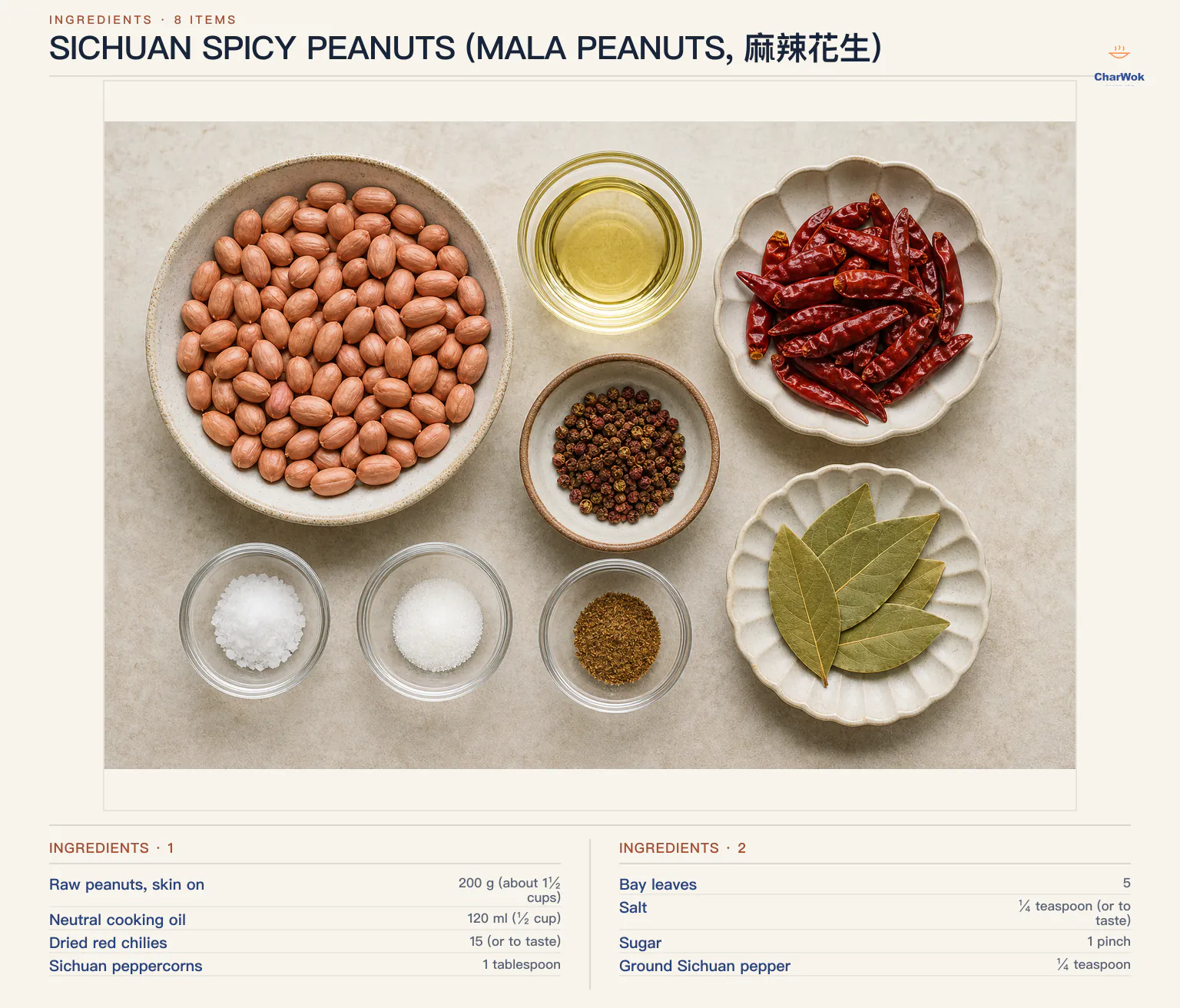
| Ingredient | Amount | Notes / substitute |
|---|---|---|
| Raw peanuts, skin on | 200 g (about 1½ cups) | Skin-on redskins hold their crunch and absorb seasoning better. Blanch-peeled or "blistered" peanuts also work; skip the soaking step. |
| Neutral cooking oil | 120 ml (½ cup) | Peanut, canola, or grapeseed. Avoid olive oil, which fights the flavor. |
| Dried red chilies | 15 (or to taste) | Ermuding or facing-heaven chilies are ideal for mild, fragrant heat. Cut into 1 cm pieces with scissors, seeds kept in for more fire. |
| Sichuan peppercorns | 1 tablespoon | Green ones give a brighter, more electric numbing effect; red ones are warmer and earthier. Toasted and ground for finishing is covered in how to grind Sichuan pepper. |
| Bay leaves | 5 | Optional but worth it; adds a woody, slightly sweet backbone. |
| Salt | ¼ teaspoon (or to taste) | Fine sea salt dissolves fastest into the oil film. |
| Sugar | 1 pinch | Rounds the bitterness of toasted chilies; should not taste sweet. |
| Ground Sichuan pepper | ¼ teaspoon | Fresh-ground at the end for an aromatic top note that cooked peppercorns lose. |
Method
- Soak and dry the peanuts (2 minutes). Cover the raw peanuts with cool water for two minutes, then drain and pat completely dry with a kitchen towel. The soak protects the papery red skin from blistering before the nut cooks through; skip it only if you are using skinless peanuts. Surface water is the enemy of crisp frying, so do not rush the drying.
- Prep the chilies while the peanuts drain. Snip the dried chilies into rough 1 cm pieces, seeds and all. Keeping the seeds adds heat and a toasted-corn flavor; remove them for a milder, cleaner result.
- Cold-start the fry. Put the peanuts into a cold wok or wide pan, pour in the oil, and set the burner to medium-low. The oil should come about halfway up the peanuts, not submerge them. Stir every minute or two so they color evenly and never sit in one hot spot.
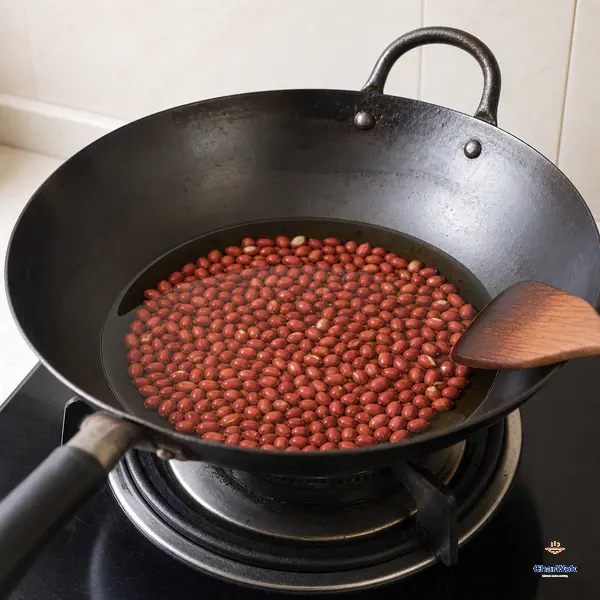
Put completely dry peanuts into the cold wok, add only enough oil to reach halfway up them, then turn the heat to medium-low so the centres warm gradually before the skins darken.
- Fry roughly 13 minutes, judging by color and taste. You are watching for the skins to darken from brick red toward a deep mahogany, and for a test peanut cut in half to show no pale raw core. Pull them when a tasted peanut is just past raw and the crunch is still slightly shy, because the nuts keep cooking from residual heat. Tiny peanuts finish faster than large ones, so start tasting at 10 minutes.
- Drain the peanuts. Scoop them onto a paper-towel-lined plate. Pour off all but a thin film of oil that just coats the bottom of the pan.
- Let the pan cool, then bloom the spices. Off the heat for about thirty seconds, add the chilies, whole Sichuan peppercorns, and bay leaves, then return to medium-low. Stir constantly. The chilies should darken a shade and smell loud; the peppercorns will crackle faintly. The instant the chilies head toward black, pull the pan off.
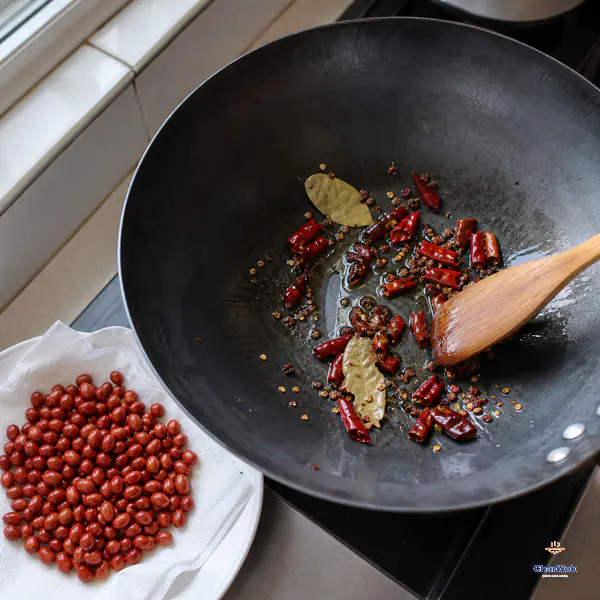
Let the wok cool, keep only a thin film of oil and stir the chilli, peppercorns and bay leaves over medium-low heat until fragrant and one shade darker; stop before any piece turns black.
- Coat off the heat. Kill the burner, add the peanuts back, and sprinkle on the salt, sugar, and ground Sichuan pepper. Toss until each peanut is filmed with spice and oil, then spread on a plate.
- Cool fully before you judge them. Peanuts fried in oil are still soft while warm; they only snap once they cool and the surface moisture finishes leaving. Twenty minutes at room temperature, spread in one layer, is the minimum.
Why mine came out soft (and yours will not)
The first time I made these I undercooked them and pulled the pan the instant the skins looked done, then tasted a warm, chewy nut and decided the whole batch was ruined. It was not. Warm fried peanuts lie to you. The single most common home failure is panicking at the soft texture and either throwing out a good batch or, worse, frying longer until the nuts scorch. Trust the color and the cut test, not the warm mouthfeel.
Other failures have simple fixes:
- Peanuts burnt outside, raw inside. Your heat was too high or the oil too hot before the peanuts went in. Always cold-start and keep the dial at medium-low.
- Skins slipped off during frying. The soak ran too long. Two minutes is the ceiling; longer loosens the skin.
- Chilies taste bitter, not fragrant. They scorched. Next time bloom them in cooler oil and pull the pan the moment they darken. Burned chili oil cannot be saved; start the spice step over.
- Nuts went soft the next day. Storage let moisture back in. Cool them fully first, then seal in an airtight jar with the spices left in.
- Not enough tingle. Add more ground Sichuan pepper after cooking; heat is built in the pan but the numbing finish is best adjusted at the end.
Green versus red Sichuan peppercorn
Most recipes do not make you choose, but I will. Green Sichuan peppercorns, harvested unripe, give a sharper, more floral buzz with a citric edge that pairs cleanly with fried peanuts. Red ones, the dried standard, are warmer and more resinous and read as the classic Sichuan pantry note. For this snack I reach for green when I have it, but red is never wrong, and a half-and-half blend is genuinely the best of both. If you want to understand the difference in depth, read up on the varieties and why freshness matters more than color.
Variations and pairings
Once the base technique is yours, the seasoning is wide open. A teaspoon of doubanjiang rendered into the oil before the spices adds a fermented depth. A pinch of five spice powder leans the snack toward the warming, sweet-savory profile of northern spiced nuts. Whole star anise swapped in for the bay leaves gives a licorice hum that pairs well with beer.
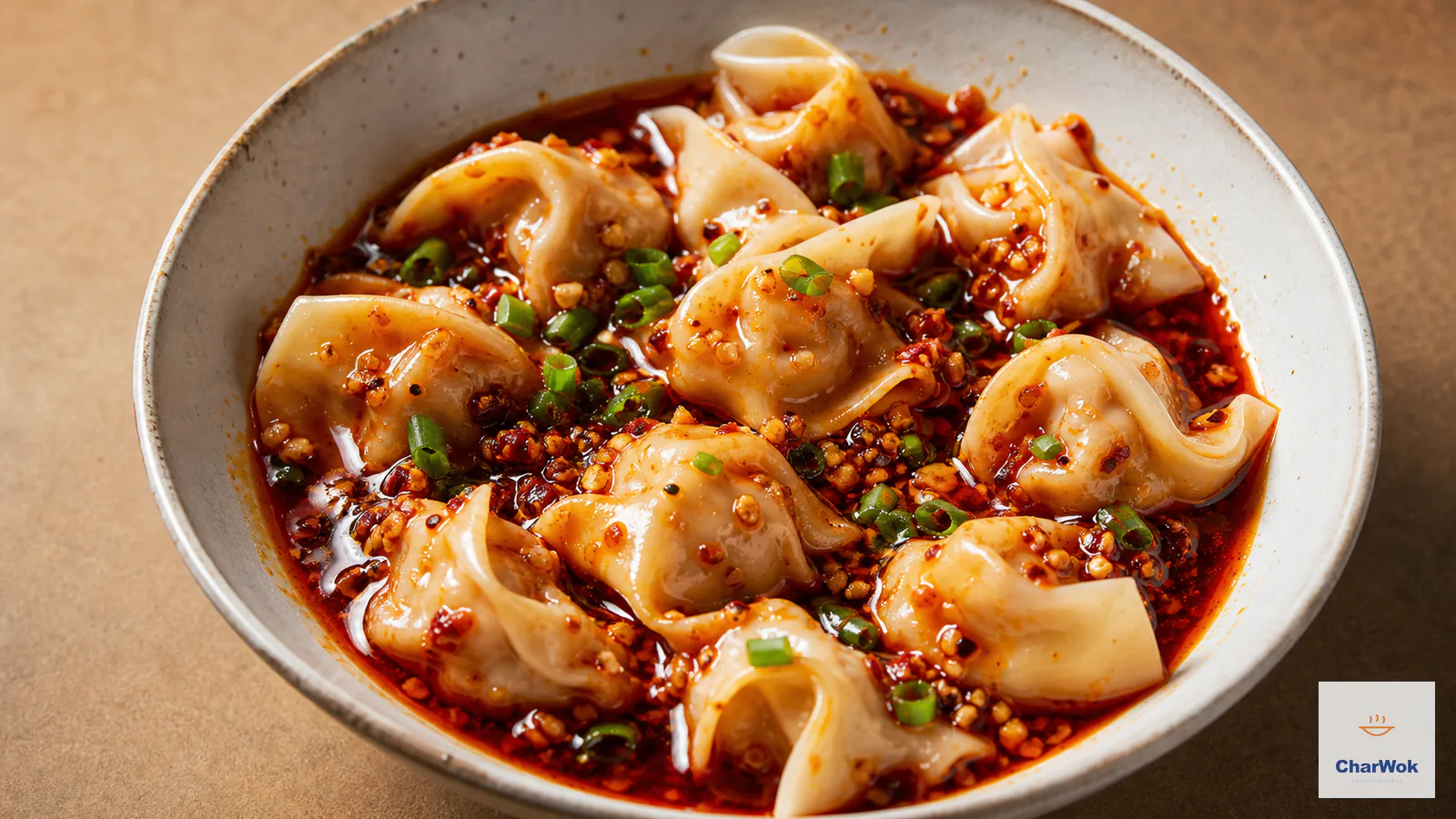
These peanuts are also a finishing garnish, not just a snack. Scatter them over a cold cucumber salad for crunch and heat, onto sliced mung bean jelly where they stand in for toasted nuts, or across a bowl of Sichuan cold noodles and Chongqing xiaomian for a texture hit. They are a natural bar companion to five spice edamame, and they do real work folded into the sauce of Sichuan boiled beef just before serving.
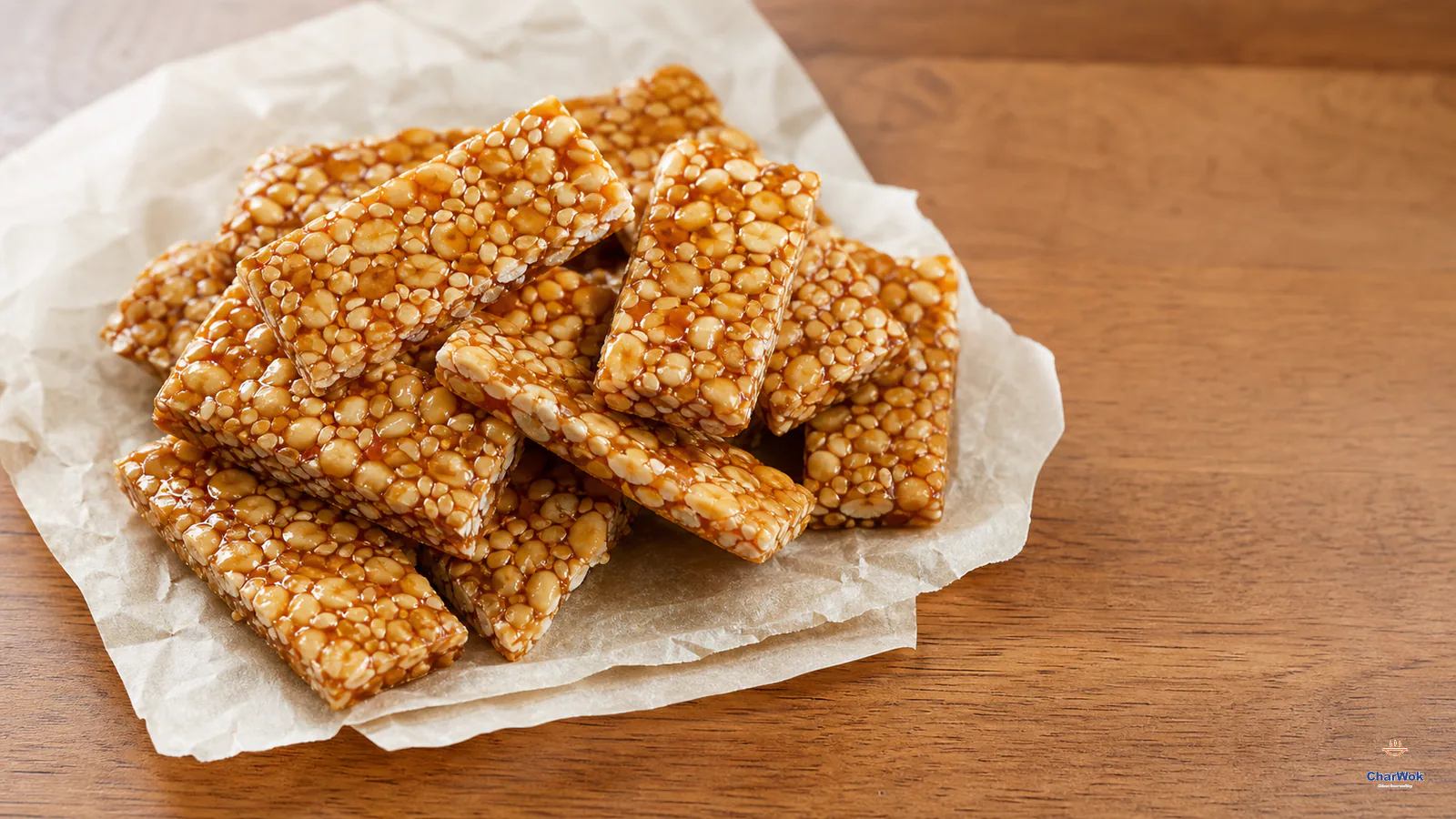
For a sweeter turn on the same peanut, the method behind peanut and sesame brittle uses the same low-and-slow nut treatment but ends in caramel rather than chili oil, and is a good next project once you trust your frying eye.
Storage and reheating
Let the peanuts cool fully, then store them in an airtight jar at room temperature with the chilies and peppercorns left in. The flavor deepens over the first day as the oil redistributes, and they keep their crunch for about a week. No refrigeration, which introduces condensation and softens them. If a jar does lose its snap after several days, spread the peanuts on a sheet pan and rewarm in a 150°C (300°F) oven for six to eight minutes, then cool again before resealing.
Common questions
A few things come up almost every time someone makes this for the first time.
Can I use already-roasted peanuts? You can, but skip the frying entirely or you will overcook them. Warm roasted peanuts gently in a little oil with the spices just long enough to bloom the aromatics, then season and cool. The texture will be softer and less shattery than the cold-start fry.
Skin on or skin off? Skin on holds more crunch and more flavor, and I recommend it. Skinless works if that is what you have; just omit the soaking step and shorten the fry by a couple of minutes since the nut is exposed.
How spicy is this, really? With 15 mild dried chilies and the seeds kept in, the result is a moderate, lingering warmth that most adults enjoy. Cut the chilies to six or seven for a gentle tingle, or swap in hotter varieties like facing-heaven chilies and double up if you want a serious burn. The numbing effect from the Sichuan pepper is separate from the heat and mellows the perception of spice.
Why soak for only two minutes? The brief soak hydrates the skin so it fries crisp instead of charring, but any longer and the skin detaches from the nut and floats off in the oil. Two minutes is the sweet spot I have never had a reason to change.