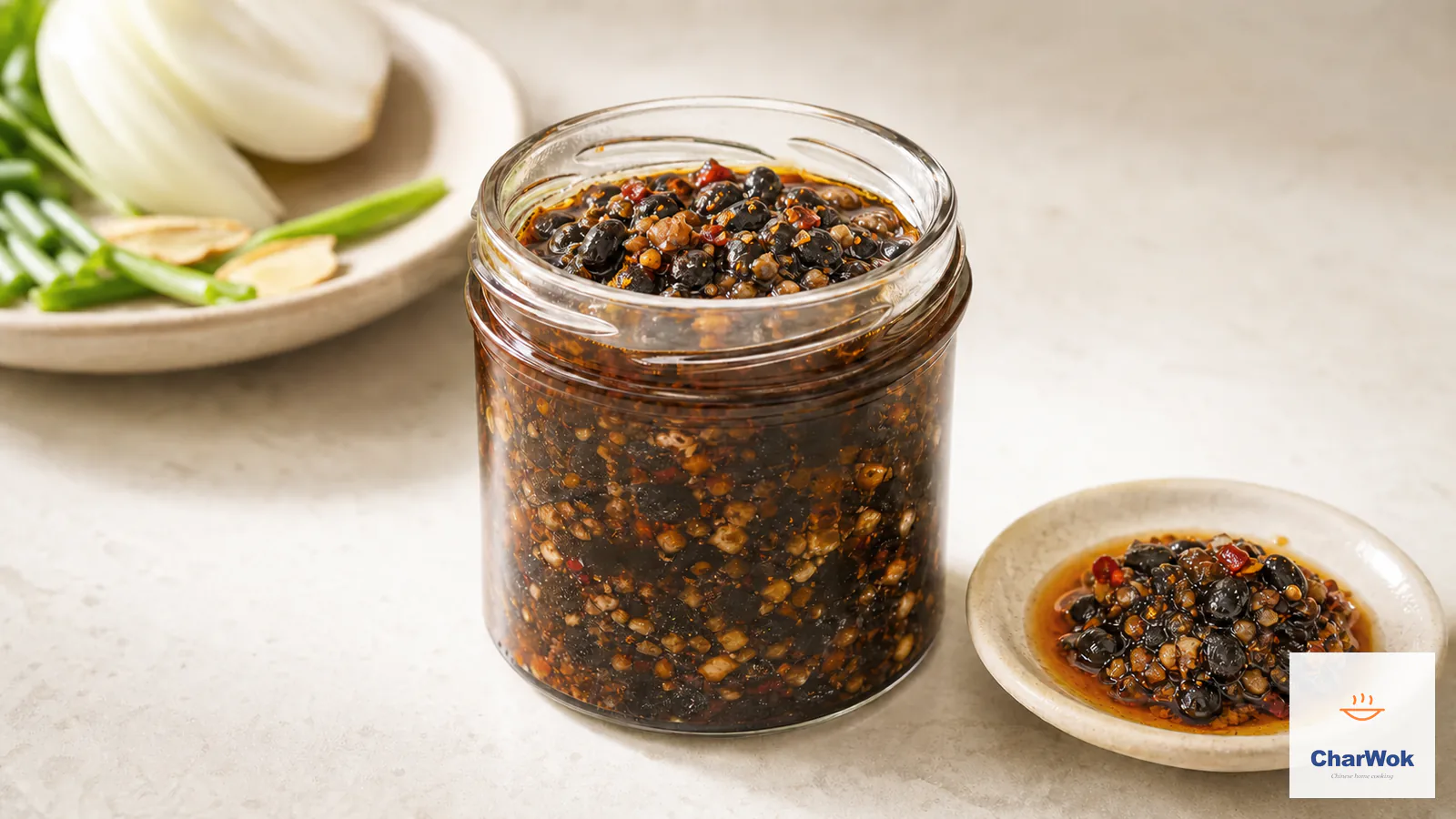
The jarred black bean sauce from the supermarket is the reason most home cooks give up on cooking with douchi. It tastes of salt and not much else, and the gray, paste-like texture does nothing for a stir-fry. The good news is that the homemade version costs about ten minutes at the stove and keeps for a month in the fridge. The difference is not subtle. A spoonful of your own sauce will turn plain steamed fish, tofu, or ribs into something with a deep, savory, slightly fermented backbone that the bottled stuff only hints at.
This is less a recipe than a technique for extracting flavor from one ingredient. Once you understand why each step exists, you can adjust the salt, the heat, and the aromatics to match whatever you happen to be cooking that night. I have made this sauce dozens of times, and I still burned the garlic the first time I tried to rush it. So let's start with the one decision that matters most.
At a glance. The whole sauce is built around 1 cup of fermented black beans to ¾ cup of oil, fried in three layers: first the scallion and onion infuse the oil, then garlic and ginger bloom in it, then the beans sizzle for about two minutes to drive off moisture. Keep the oil at medium and pull the aromatics before they char. Let the finished jar sit 24 hours before you use it. That waiting period is not optional polish; it is when the flavors actually marry.
What douchi actually is (and why you cannot fake it)
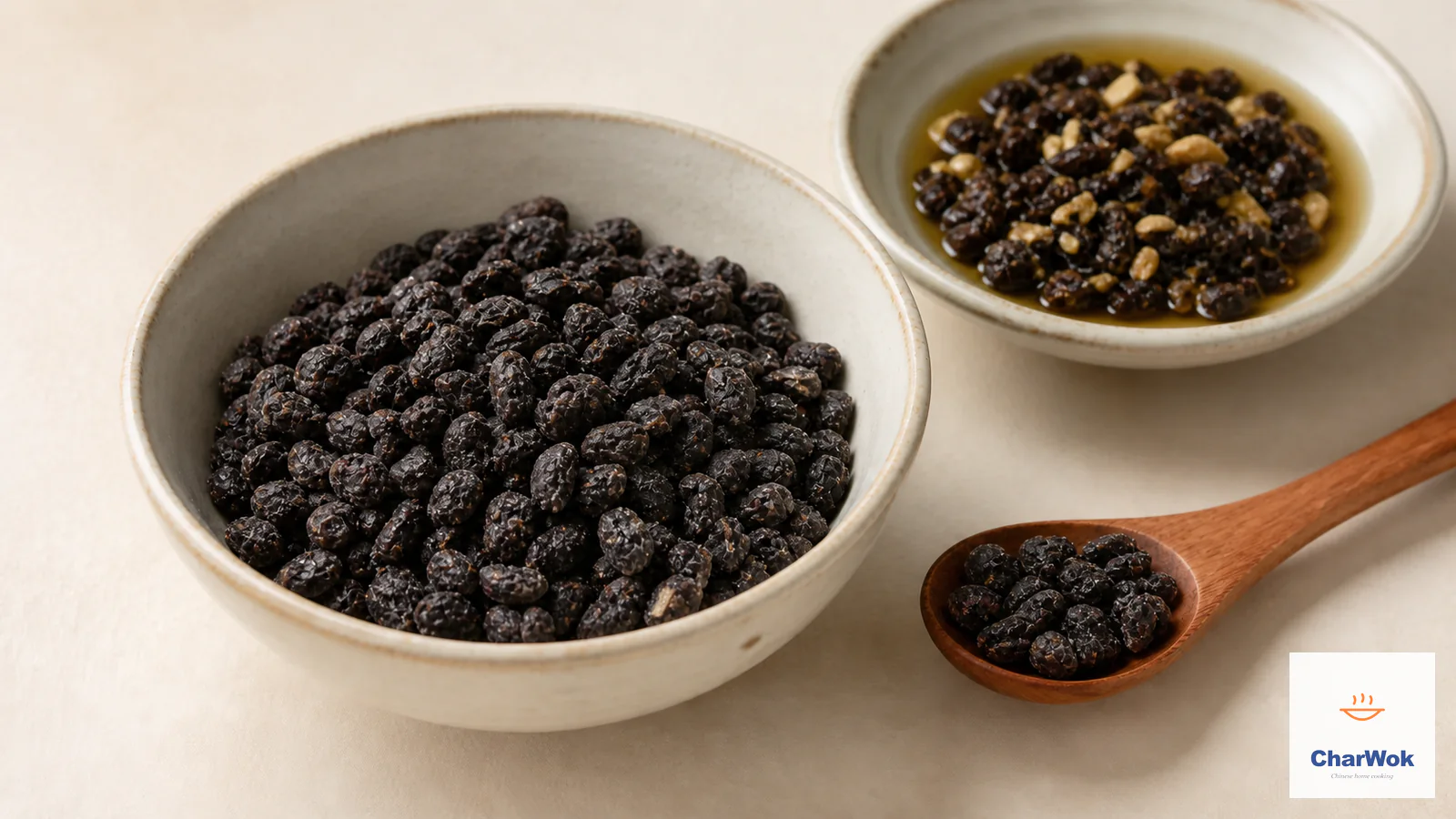
Douchi (豆豉), usually sold in English as "fermented black beans" or "salted black beans," are black soybeans that have been cooked, inoculated with mold, salted, and dried. They are not the black turtle beans of Latin cooking, and no amount of regular soy sauce or miso will stand in for them. If you want to understand the ingredient in depth, read the full guide to fermented black beans. For this sauce, you want the dry, loose type sold in cellophane pouches, not the wet variety packed in sweet brine; the wet ones are saltier and less aromatic, and they shorten the shelf life of your sauce because of the extra water.
Two quick shopping notes. Many pouches ship with a few slices of dried ginger tucked in for aroma; pick those out, or you will end up with gritty bits of ginger skin in your finished sauce. And because douchi vary wildly in salt between brands, taste one bean before you commit. If it makes you wince, plan to rinse the beans an extra time and hold back a little on the soy sauce later.
Ingredients
Ingredients at a glance
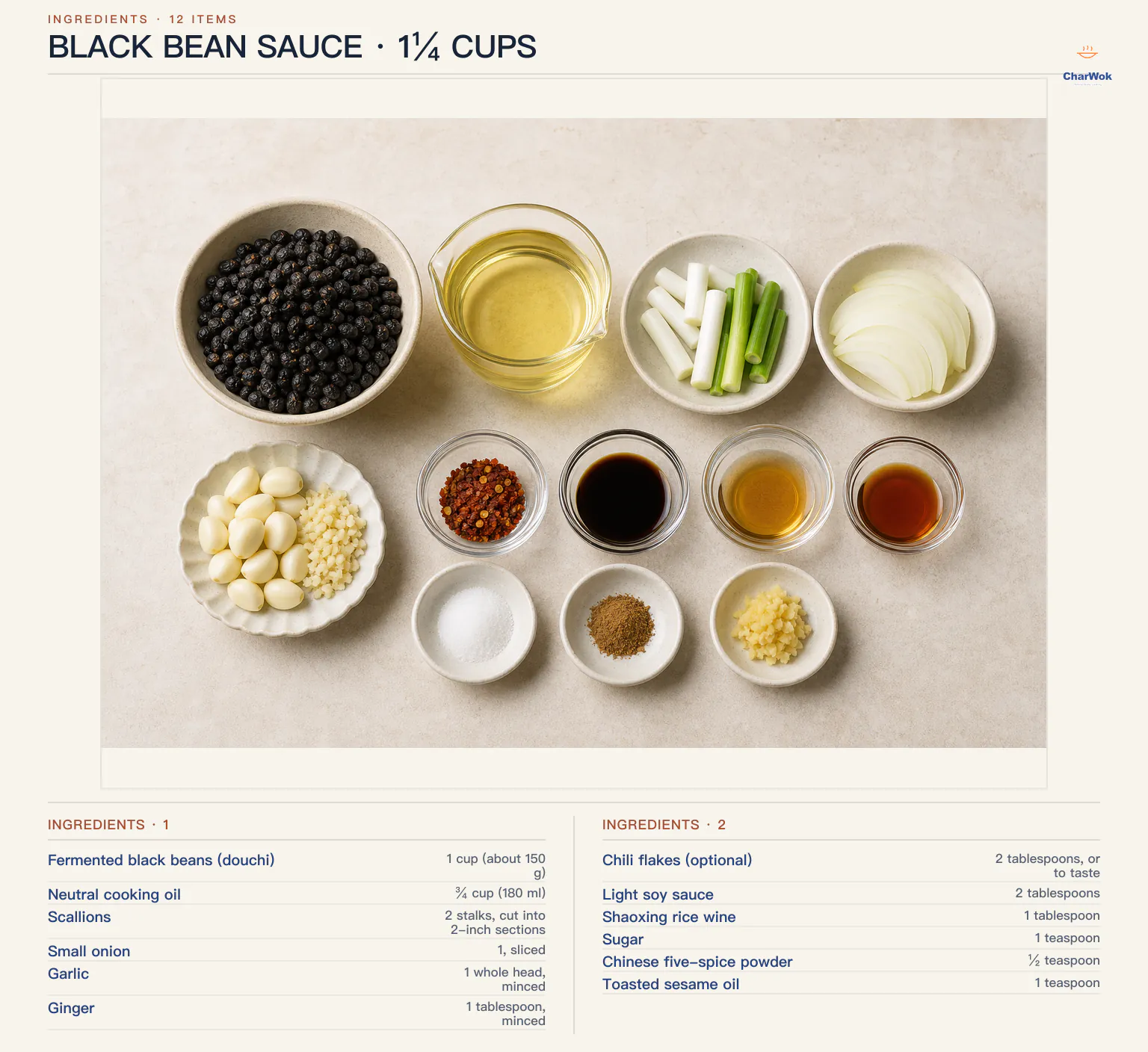
| Ingredient | Amount | Notes / substitute |
|---|---|---|
| Fermented black beans (douchi) | 1 cup (about 150 g) | Dry, loose type. Not interchangeable with anything; the wet brined version is saltier and wetter. |
| Neutral cooking oil | ¾ cup (180 ml) | Canola, grapeseed, sunflower, or corn oil. Avoid olive oil and unrefined peanut oil, which fight the bean flavor. |
| Scallions | 2 stalks, cut into 2-inch sections | Shallot works; do not use the green tops only, you want some white for body. |
| Small onion | 1, sliced | Yellow or white. Shallots make a cleaner, sweeter oil. |
| Garlic | 1 whole head, minced | About 10 to 12 cloves. Mince by hand; a paste turns bitter faster. |
| Ginger | 1 tablespoon, minced | Peel first. |
| Chili flakes (optional) | 2 tablespoons, or to taste | Crushed dried chili. Korean gochugaru is mild and red; Sichuan facing-heaven flakes are hotter. |
| Light soy sauce | 2 tablespoons | Use light, not dark. See the guide to Chinese soy sauce for the difference. |
| Shaoxing rice wine | 1 tablespoon | Dry sherry is the standard substitute. Read about Shaoxing rice wine if you are unsure. |
| Sugar | 1 teaspoon | Regular white sugar; rock sugar crushed fine also works. |
| Chinese five-spice powder | ½ teaspoon | Or ¼ teaspoon ground white pepper if you prefer a cleaner finish. Homemade five-spice powder is fresher than the tin. |
| Toasted sesame oil | 1 teaspoon | Added off the heat. Good sesame oil matters here; this is a guide to Chinese sesame oil. |
Two versions, one method
Everything below makes the original, deeply savory sauce. For the spicy version, you add chili flakes after the beans have fried for a minute, let them sizzle about ten seconds to release their color and heat into the oil, then proceed with the seasonings. The flakes tint the whole jar a warm red and round out the fermented edge of the beans with a slow burn. I keep both jars in the fridge, the plain one for delicate steamed fish, the spicy one for noodles and fried rice.
How to make it
- Rinse and dry the beans. Tip the douchi into a strainer and pick out any dried ginger slices. Rinse under cold water to wash off surface salt and dust, then spread them on paper towels and press dry with more towels on top. The drier the beans, the less they will spatter when they hit the oil, and the more evenly they will fry. Skip this and you will spend the next step wiping oil off your stovetop.
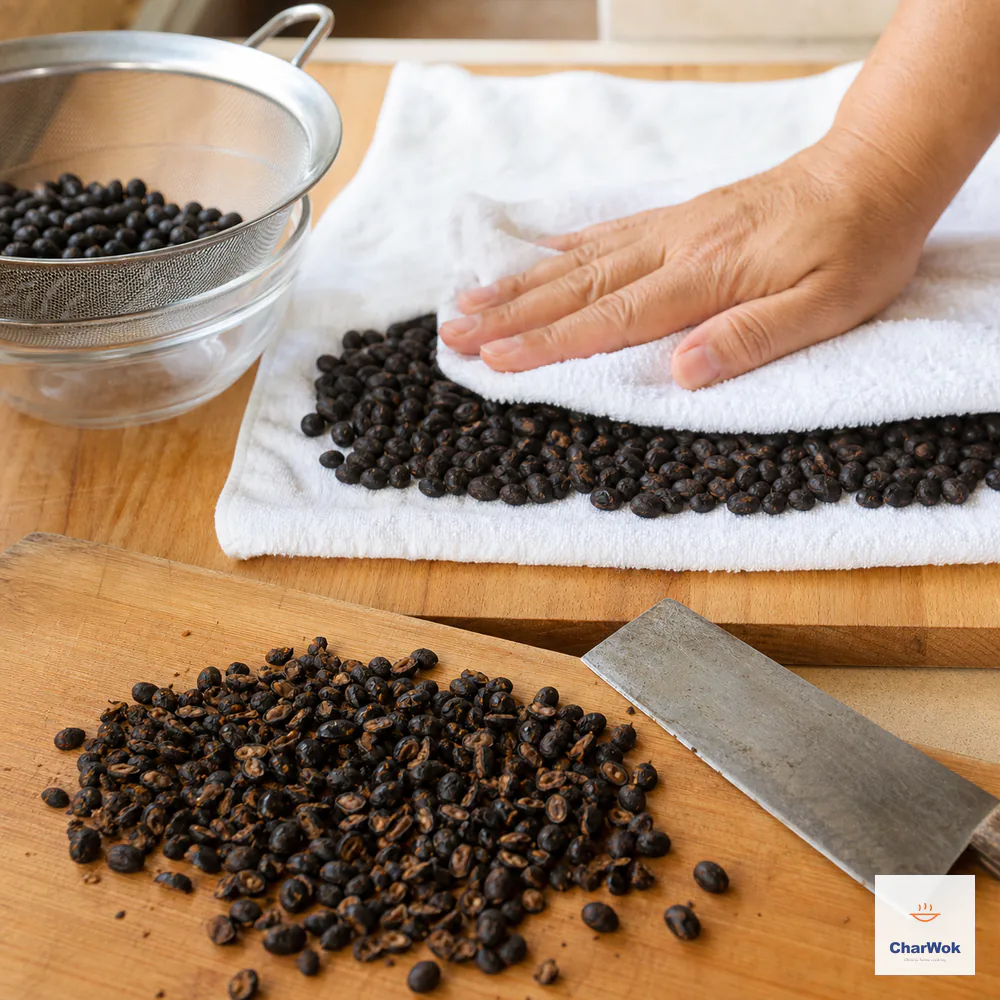
Rinse off surface salt, press the beans thoroughly dry, then chop most into halves and quarters while keeping a generous number whole for a chunky finish
- Coarsely chop the beans. Pulse a knife through them on the board so most are split into halves and quarters, but leave a good number whole. Chopping opens up the beans so their flavor disperses into the oil; keeping some whole gives the finished sauce a satisfying, chunky bite that jarred sauce never has.
- Infuse the oil with scallion and onion. Put the oil in a clean, dry wok or saucepan over medium heat and drop in the scallion sections and sliced onion. Let them cook gently for about six minutes, until the edges are browned and the oil smells sweet. This is the same principle behind spring onion oil: you are flavoring the fat, not making a garnish. Use a slotted spoon to lift every last solid out and discard (or save them to fold into a stir-fry; they are delicious, just too wet to live in the jar).
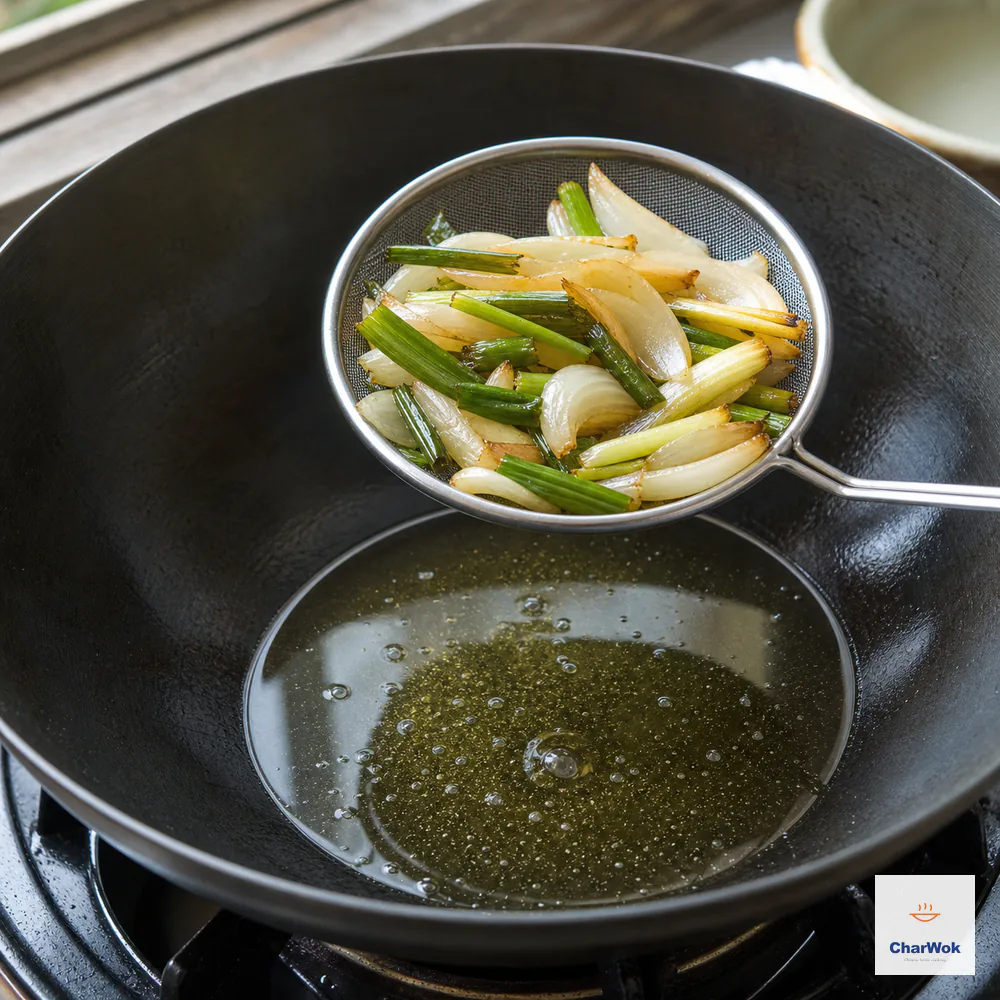
Gently infuse the oil for about 6 minutes until the scallion and onion edges turn golden, then remove every solid so moisture does not shorten storage life
- Bloom the garlic and ginger. With the oil still on medium, add the minced garlic and ginger. Stir and watch closely. The garlic should turn pale gold, not brown, in about a minute. Garlic crosses from fragrant to bitter in seconds, so err on the side of pulling the pan off the heat a beat early; residual heat will keep cooking it.
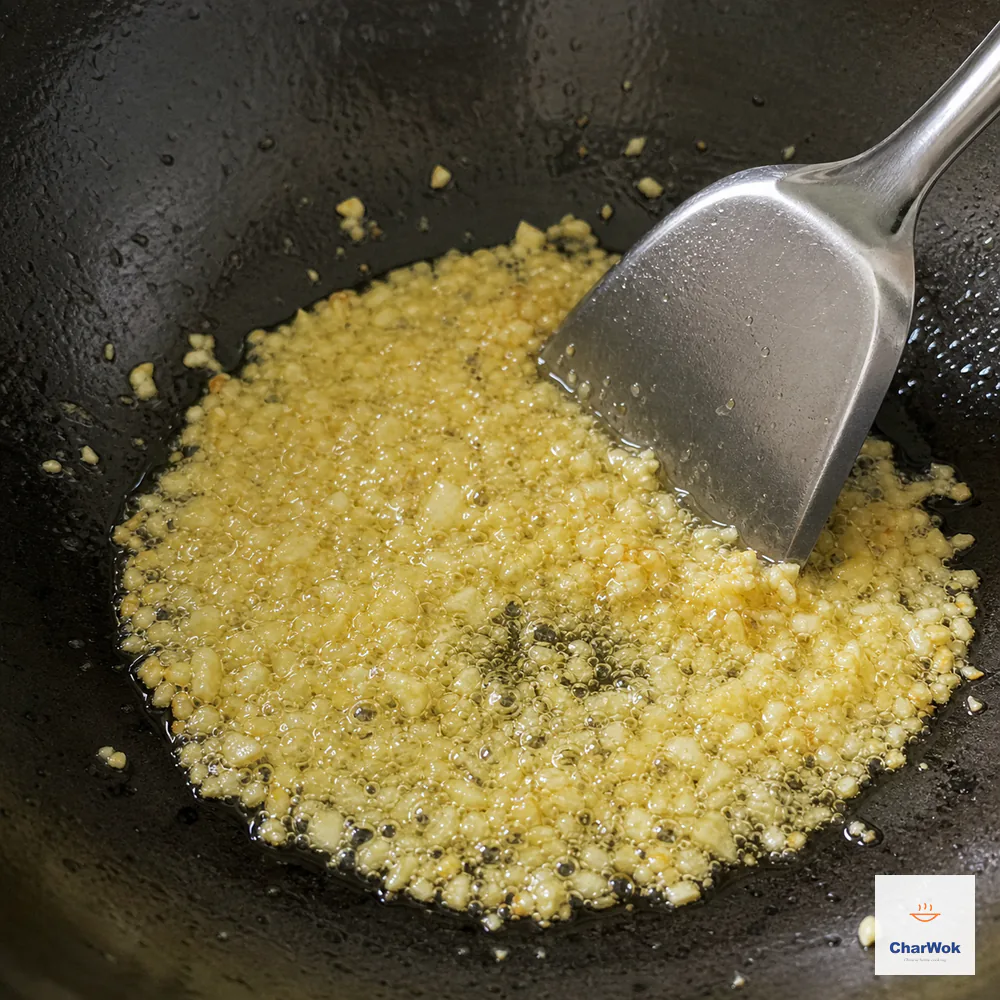
Stir the minced garlic and ginger for about 1 minute and stop at pale gold; residual heat keeps cooking them and brown garlic turns bitter quickly
- Fry the beans. Add the chopped beans and stir constantly for about two minutes. You are not browning them. You are driving off their remaining moisture so they stop tasting raw and salty and start tasting roasted and savory. The oil will darken and take on the beans' color; that is what you want.
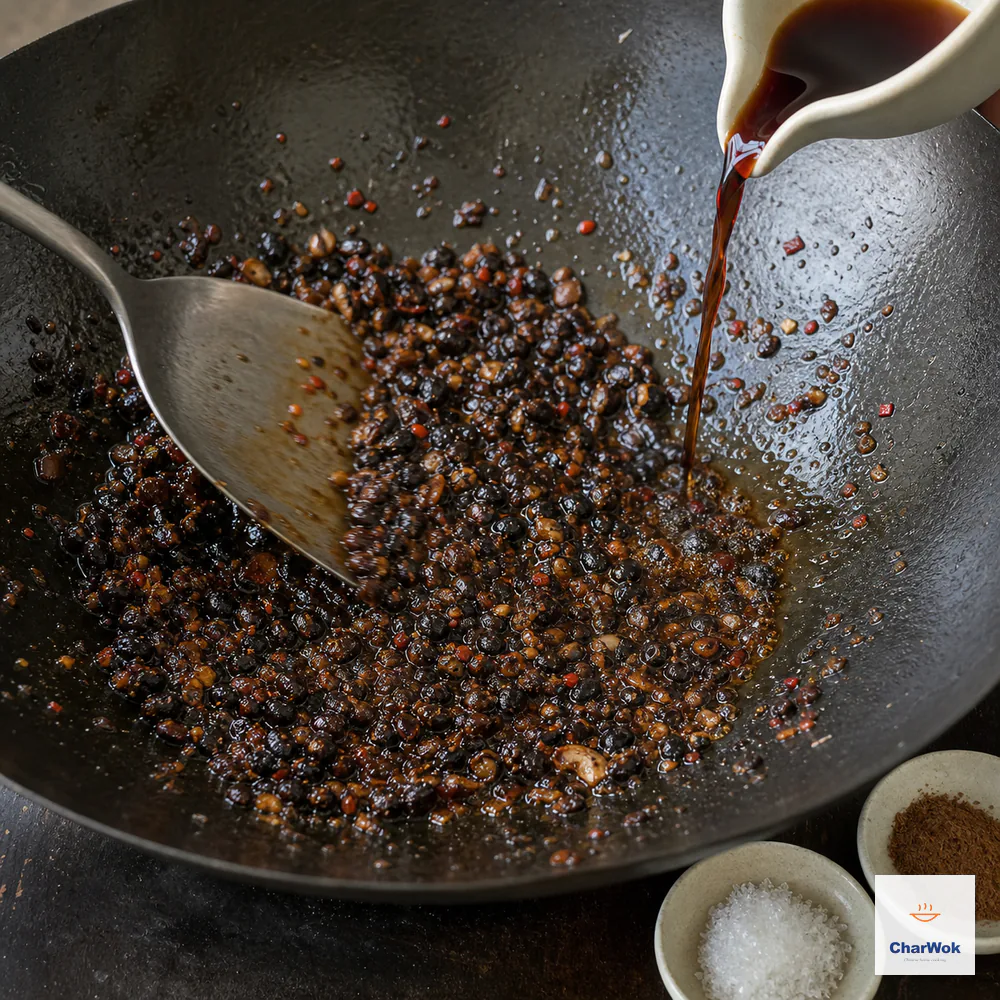
Fry the beans for about 2 minutes, bloom optional chili for 10 seconds, then add soy sauce, Shaoxing wine, five-spice, and sugar for a final 30-second sizzle
- Add the chili flakes if making the spicy version. Stir them in and let them sizzle for roughly ten seconds. Adding them now, in hot fat, extracts their color and capsaicin into the oil rather than leaving them as dry flakes floating on top.
- Season and finish. Pour in the light soy sauce, Shaoxing wine, five-spice, and sugar. The liquid will hiss and the alcohol will flash off in about thirty seconds. Pull the pan off the heat, then stir in the sesame oil. Adding sesame oil off the heat preserves its aroma; boil it and the toasty fragrance vanishes.
- Cool and jar. Let the sauce cool completely to room temperature, then scrape it, oil and all, into a clean, dry jar with a tight lid. Resist the urge to taste-test immediately.
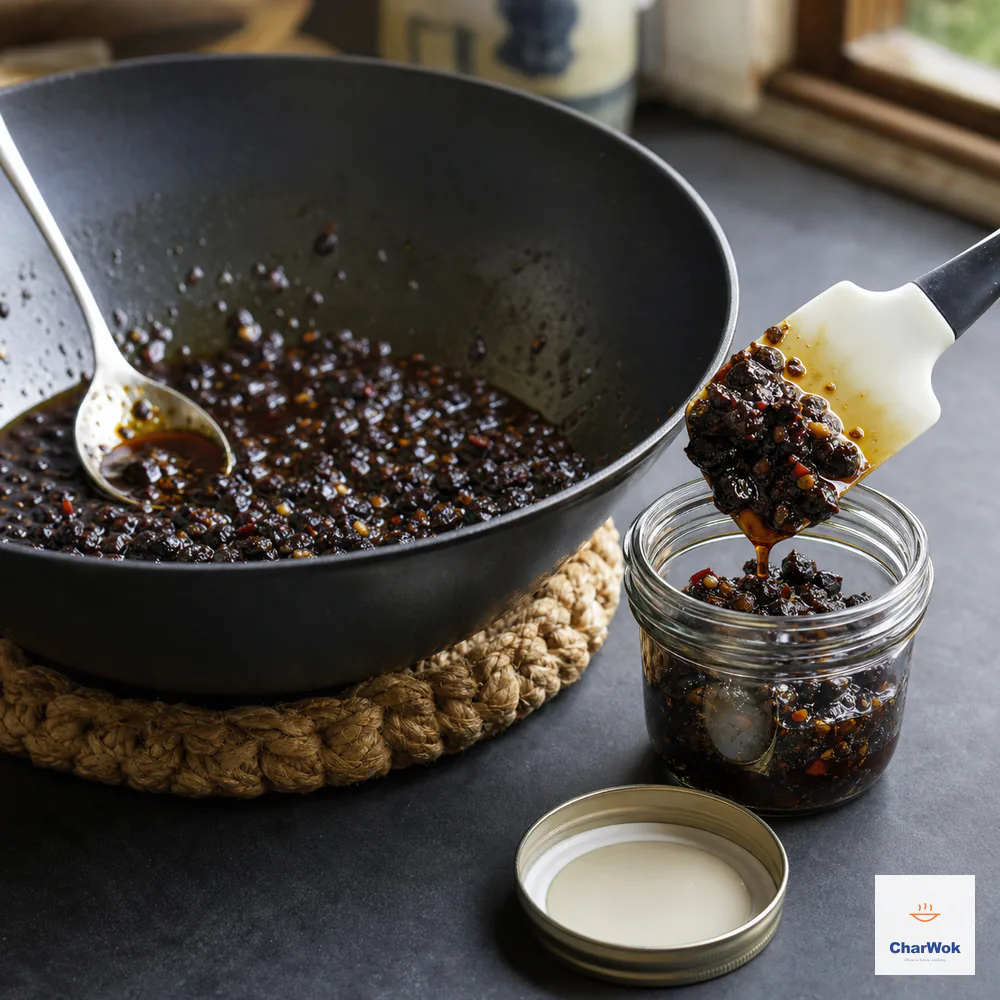
Take the wok off the heat, stir in sesame oil, cool the sauce completely, and transfer the beans and oil together into a clean dry jar with a tight lid
Why the 24-hour wait matters
Right out of the pan, the sauce tastes hot, salty, and a little rough. A day later the soy sauce and wine have soaked into the beans, the garlic has mellowed, and the five-spice has settled into the background where it belongs. This is the same logic behind letting homemade chili oil rest, and it is the single step most people skip. Make the sauce on a Sunday and it is ready for the week's dinners.
When things go wrong
A short list of the failures I have personally committed, and the fixes.
- The garlic burned and the sauce tastes bitter. Once garlic passes from gold to brown it is over, and no amount of sugar will hide it. Strain out the burned bits if you catch it instantly, but honestly, start over; burned garlic dominates everything. Next time, use slightly lower heat and pull the pan off the burner the moment the garlic looks close.
- The sauce is too salty. Almost always the beans. Some brands are far saltier than others, and the wet brined douchi are the worst offenders. Rinse longer, taste a bean before cooking, and cut the soy sauce by a third. You can also dilute a too-salty finished jar with another tablespoon of neutral oil and a pinch of sugar.
- The oil spattered badly. The beans or the aromatics were wet. Dry everything thoroughly before it goes in the pan. Water in hot oil is the only genuinely dangerous step in this recipe.
- Mold appeared on the jar. A wet spoon went in, or the jar was not fully clean. The oil layer should always cover the solids; if beans are poking above the oil, press them under. Always scoop with a clean, dry spoon and the sauce will keep the full four weeks.
- The sauce is flat, one-note salty. You likely skipped the scallion-onion infusion. That step is where the sweet, aromatic base comes from; without it the sauce has no top notes, only salt and funk.
Storing and reheating
Keep the jar sealed in the refrigerator for up to four weeks, solids always submerged under the oil. You do not reheat the sauce on its own; you cook with it. Scoop what you need straight from the cold jar into a hot wok or onto a steaming plate. There is no need to bring it to room temperature first.
Because the sauce is concentrated and salty, when you use it in a dish you usually cut back on, or leave out, the salt and soy sauce that recipe would otherwise call for. Taste as you go.
How to use it
Think of this jar the way you would a bottle of chili oil or a tub of Sichuan chili bean paste: a flavor multiplier that lives in the fridge and rescues bland food. A few reliable places to deploy it:
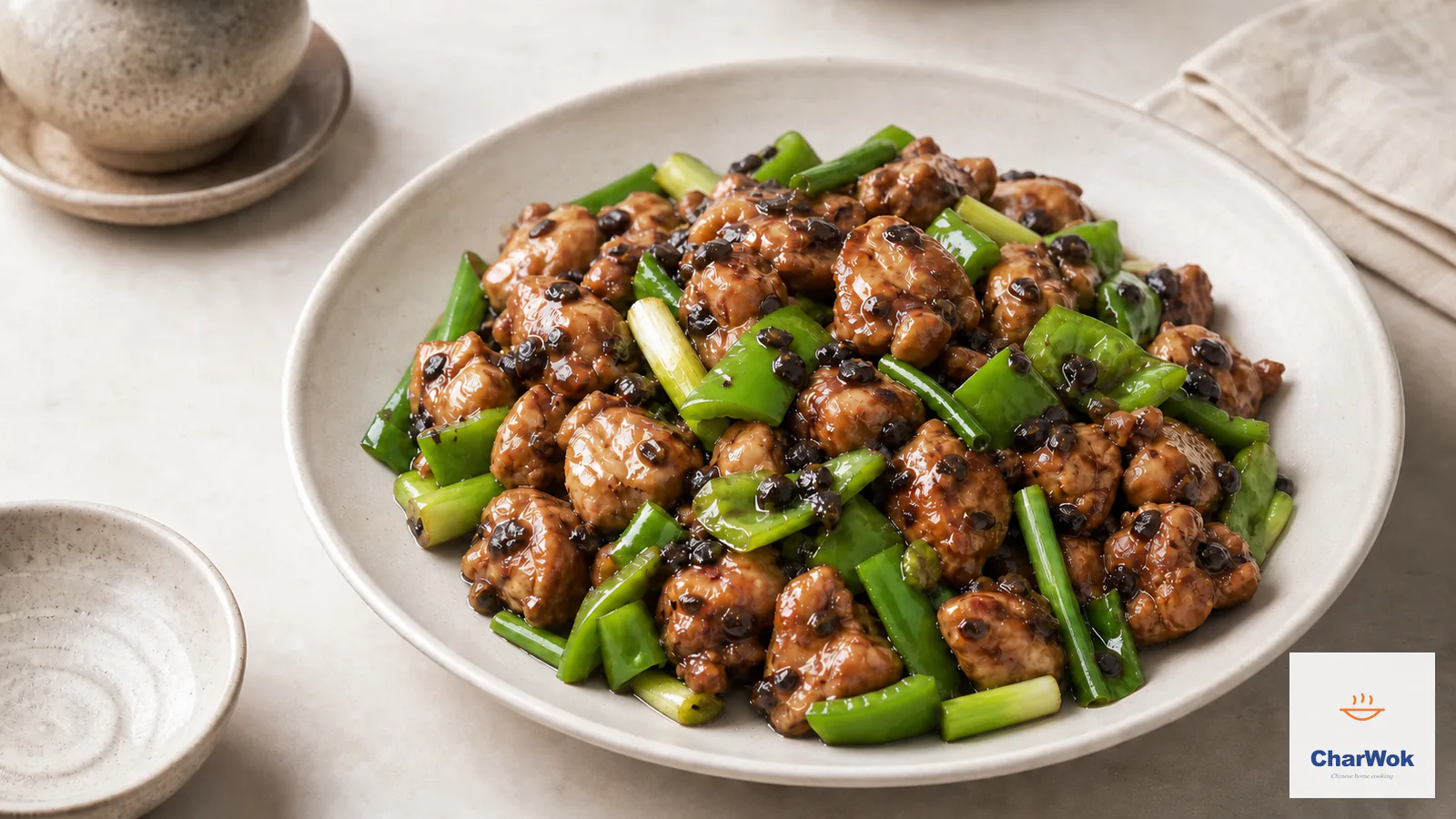
- Stir-fries. Spoon a tablespoon into the wok with chicken, shrimp, tofu, or vegetables. The classic move is chicken with black bean sauce, where the sauce is the whole point of the dish.
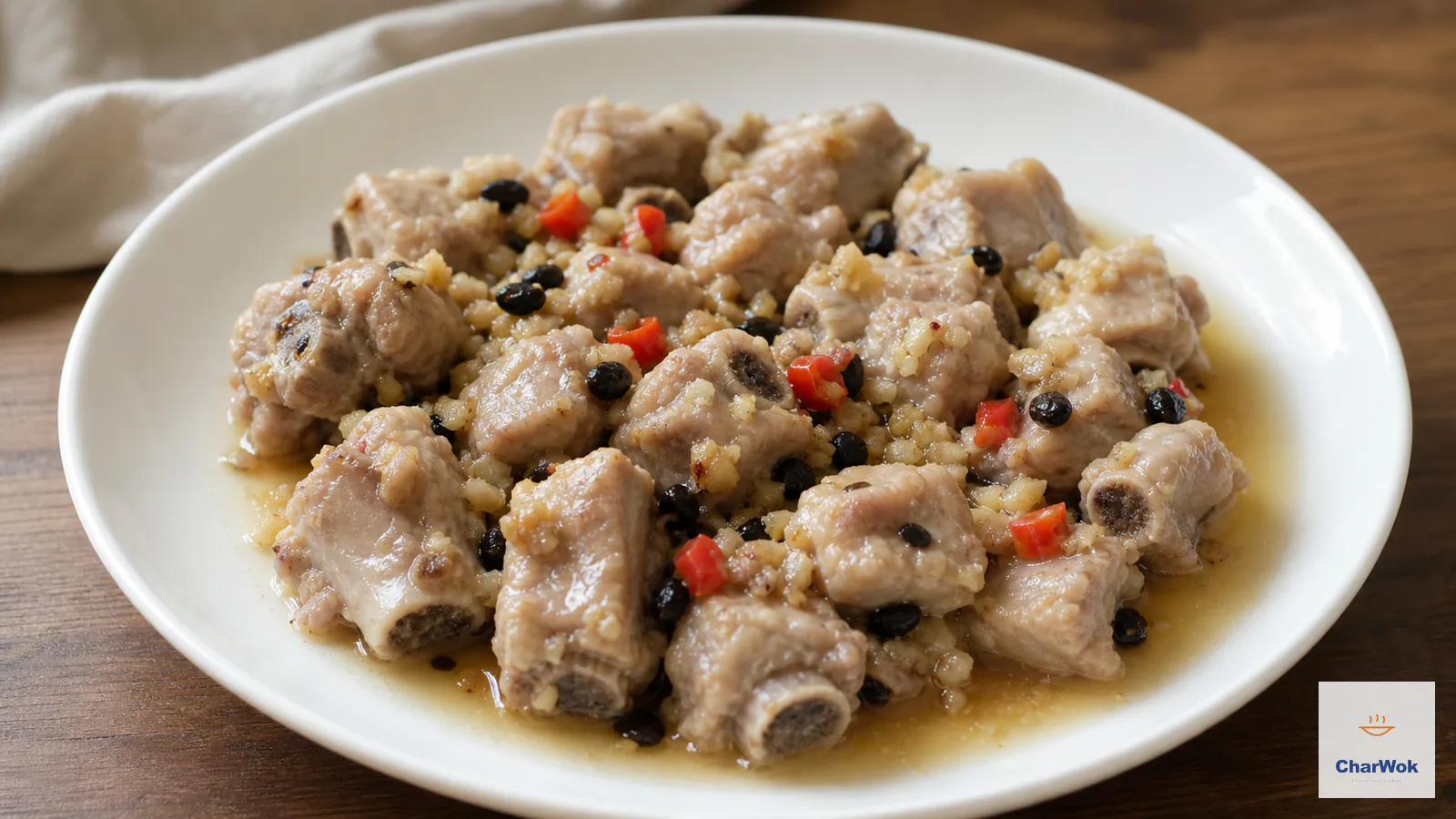
- Steamed dishes. Thin a little with hot water and pour it over ribs or fish before steaming. Steamed ribs with black beans is the canonical version, and the sauce works the same way over a whole steamed fish.
- Noodles and rice. A small spoonful stirred into fried rice or tossed through noodles adds instant depth. Try a dab over a bowl of scallion oil noodles when you want something more assertive.
- Anywhere you'd use douchi. This sauce is a convenient substitute for whole fermented beans in recipes like Hunan stir-fries or Chiu Chow-style plates, since the chopping and frying are already done.
Variations
- Garlic-forward. Double the garlic for a sauce that leans toward Cantonese garlic-black-bean character, ideal for clams and steamed fish heads.
- Numbing and hot. Add a teaspoon of ground Sichuan pepper along with the chili flakes for a mala edge that pairs well with the pickled chili flavor family.
- Ginger-forward. Double the ginger and add a smashed piece to the infusion oil. Better with seafood than with meat.
If you are building out a Chinese pantry from scratch, this sauce belongs on the same shelf as the items in a basic condiment lineup. Make a jar this weekend and most weeknight stir-fries get noticeably better with almost no extra effort.
FAQ
Can I use the wet, brined fermented black beans instead?
I would not. They are saltier and wetter, which shortens the sauce's shelf life and dulls the flavor. Use the dry, loose douchi sold in pouches.
Do I need to chop the beans?
Yes, coarsely. Splitting them releases flavor into the oil, and leaving some whole gives texture. Skipping this step leaves the sauce tasting flat and gritty.
How long does it keep, and does it need the fridge?
Up to four weeks refrigerated, with the solids always under the oil and a clean, dry spoon every time. The fridge is non-negotiable; this is a low-acid condiment.
Is it very spicy?
Only the version with chili flakes. The original is savory and fermented, not hot. Scale the flakes to taste, or leave them out entirely.
Can I skip the scallion-onion oil step?
You can, but the sauce will taste one-dimensional. That infusion is where the sweet, aromatic top notes come from, and it is the main thing separating this from the jarred product.