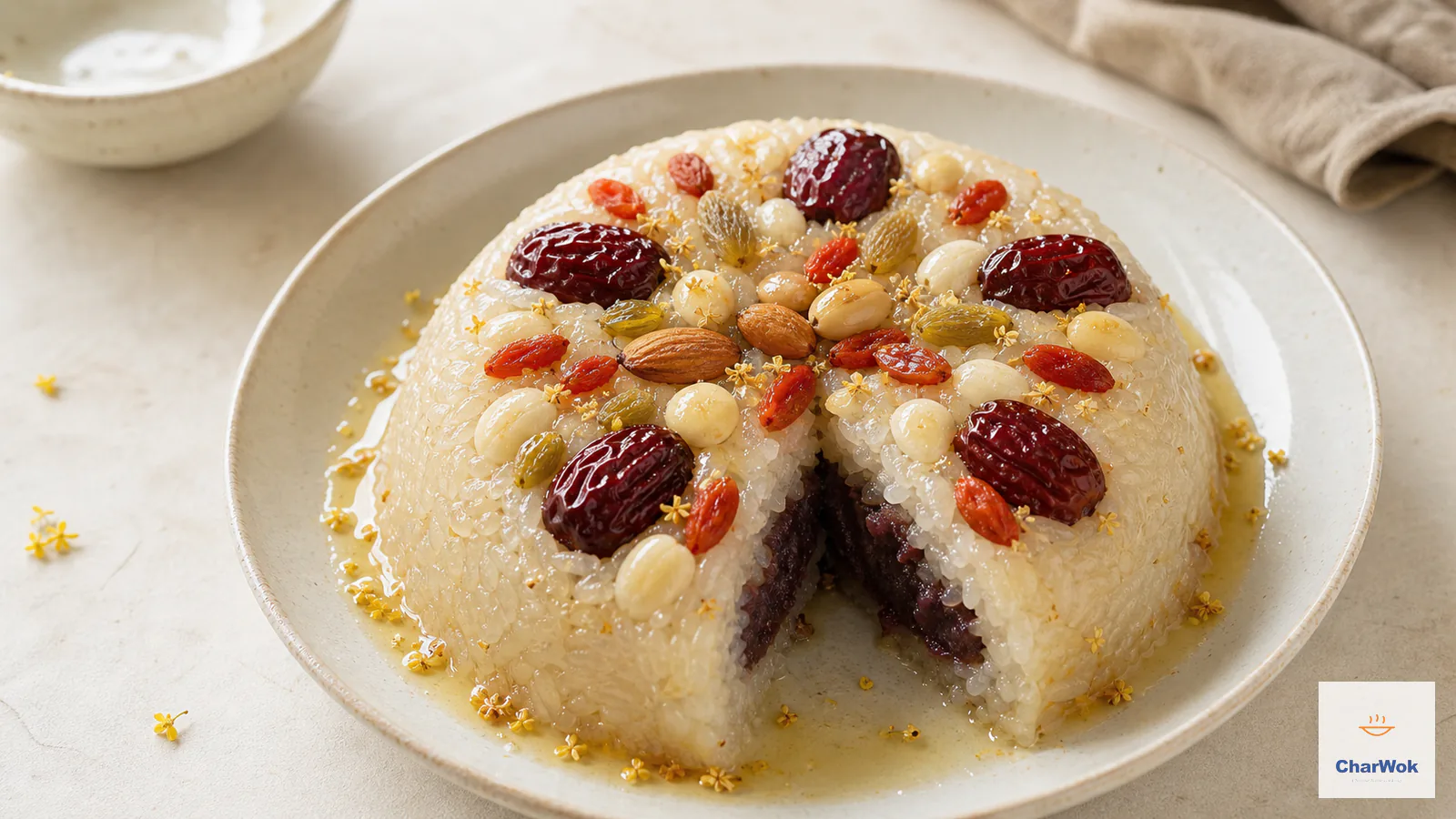
Eight Treasure Rice, or Ba Bao Fan, is the closest thing Chinese cooking has to a edible jewel box: a dome of glossy sticky rice hiding a core of sweet red bean paste, the whole thing inverted to reveal a mosaic of candied fruits and nuts pressed into the bottom of the bowl. It is the dish my grandmother made every Lunar New Year, the one that ended the meal while the firecrackers were still going off outside.
What trips people up at home is not the ingredients or even the labor. It is the release. You spend an hour arranging jujubes into a peacock tail, steam the thing, flip it, and the rice collapses into a sad puddle, or a quarter of it stays glued to the bowl. I have done this. I have also served puddings that came out so cleanly my guests thought I had bought them. The difference comes down to three things: how wet the rice is, how generously you oil the bowl, and how patient you are when you flip. I will walk you through all of it.
At a glance: Soak 200 g glutinous rice overnight, layer it with dried fruits, nuts, and a disc of red bean paste in an oiled bowl, add water just to the rice line, then steam 50 minutes over medium. The make-or-break move is a thorough oil coating on the bowl and a 10-minute rest before flipping. Serves 6.
What this dish actually is
Ba Bao Fan literally means "eight treasure rice." The "eight" is not a strict count; it is an auspicious number in Chinese culture, standing for abundance and completeness, which is why this pudding is tied so tightly to Lunar New Year and wedding banquets. The "treasures" are the dried fruits and nuts pressed into the mold: jujubes (Chinese red dates) for early prosperity, lotus seeds for fertility, longan for family continuity, and so on, each chosen as much for symbolism as for flavor.
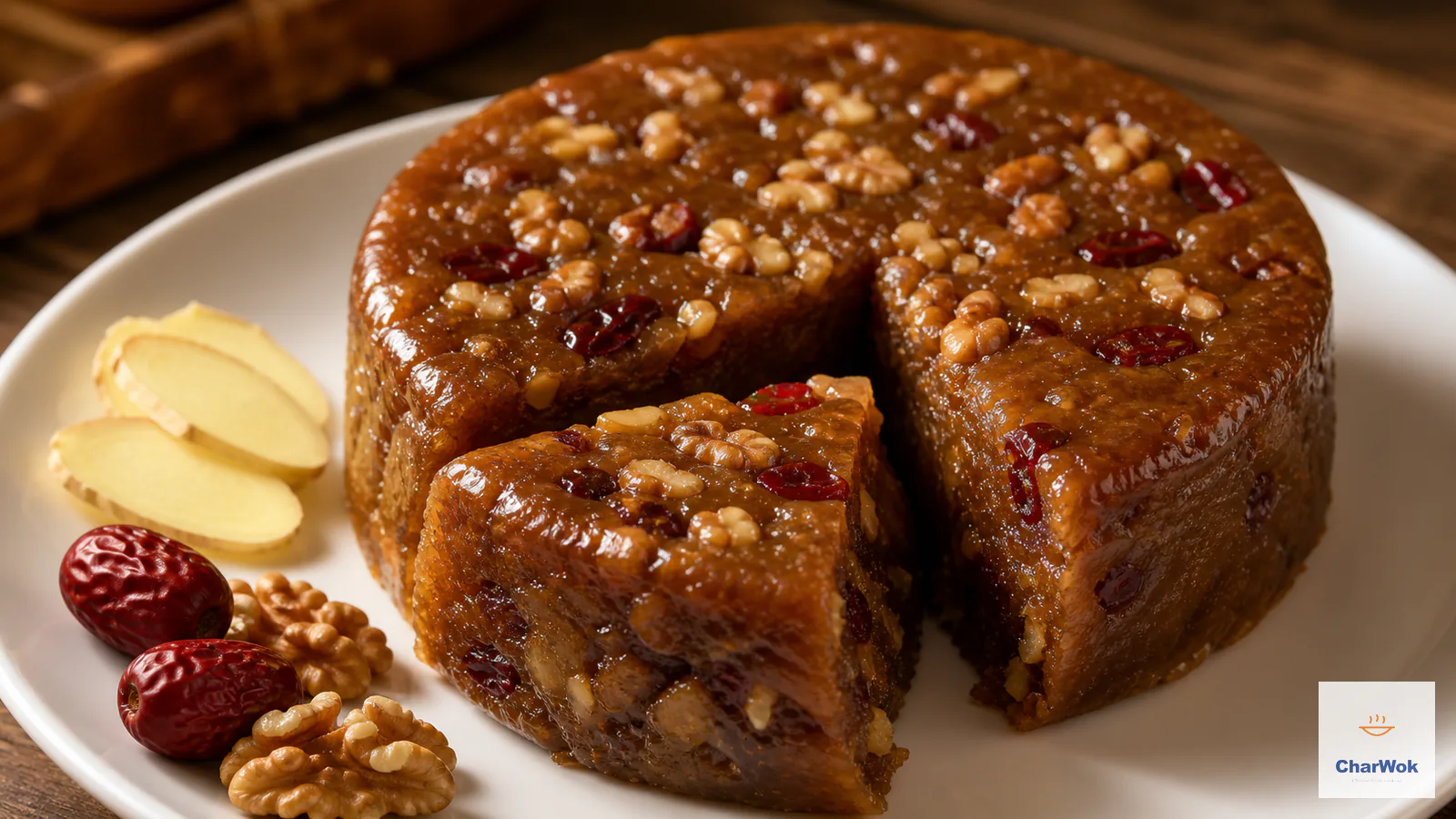
Regionally it leans southern. You see it most often in Jiangnan and Cantonese banquet cooking, where sweet steamed dishes close out a savory feast. The texture is close cousin to zongzi, the leaf-wrapped sticky rice dumplings eaten at the Dragon Boat Festival, and to the sticky-rice-and-date baked rice cake of the north. What sets Ba Bao Fan apart is the theatrical flip: you build it upside down, and the reveal is the point.
The science behind the texture
Glutinous rice, also called sweet rice or sticky rice, gets its chew from a starch called amylopectin. Regular long-grain rice is high in amylose, which cooks up separate and fluffy. Sticky rice is almost pure amylopectin, so when its starch granules swell and burst under heat they tangle into that stretchy, almost gluey mass. The name is misleading in one way: it contains zero gluten, so it is safe for celiacs. It is just very, very sticky.
Two things follow from this. First, the rice has to be fully hydrated before it ever sees the steamer. A long cold soak lets water migrate all the way to the core of each grain, so steam then cooks it evenly instead of leaving a chalky center. Skip the soak and you get glassy, undercooked kernels no matter how long you steam. Second, because the starch is so cohesive, the pudding holds its dome shape after the bowl comes off, which is the whole reason the flip trick works at all.
Ingredients
Ingredients at a glance
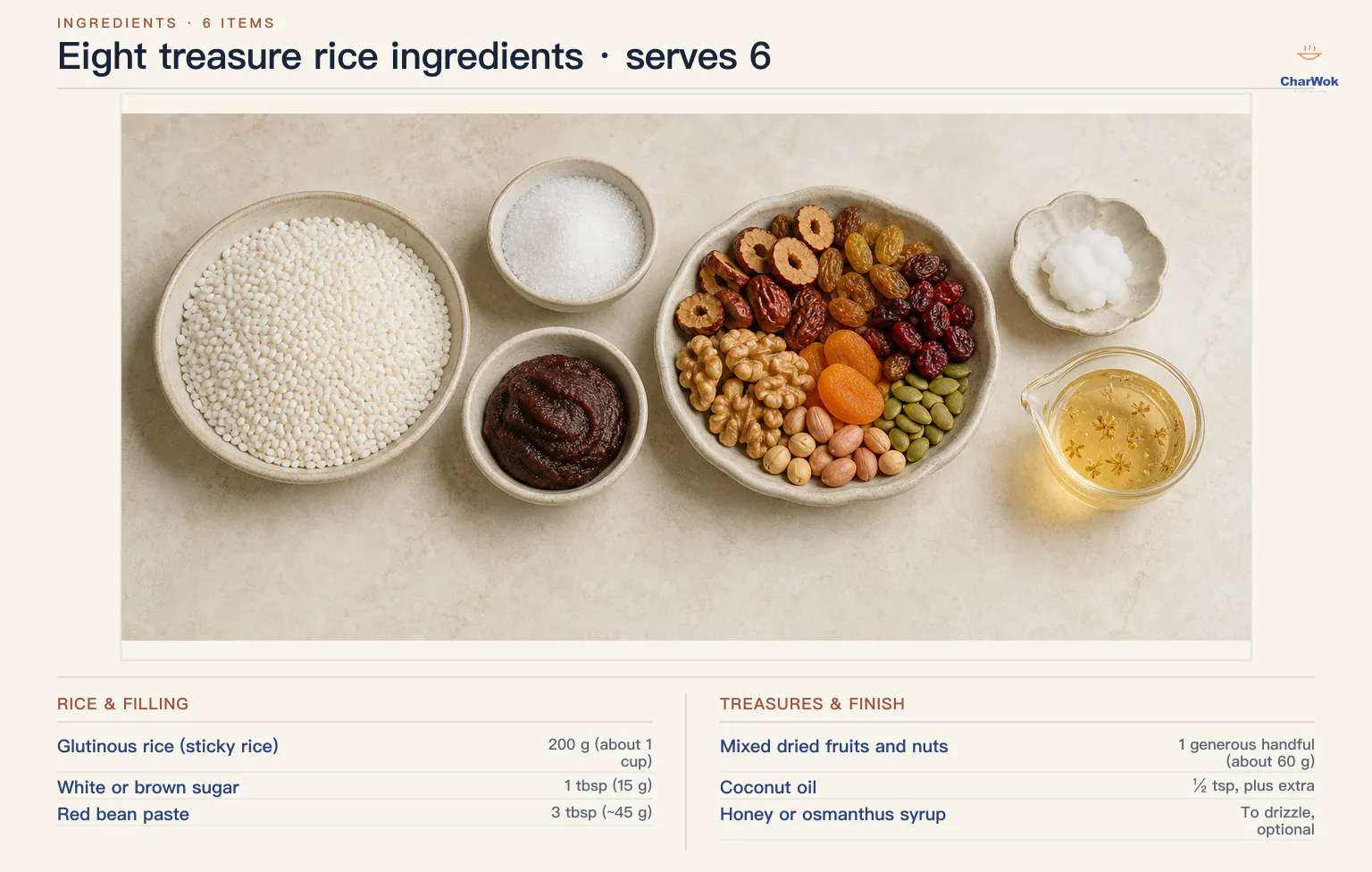
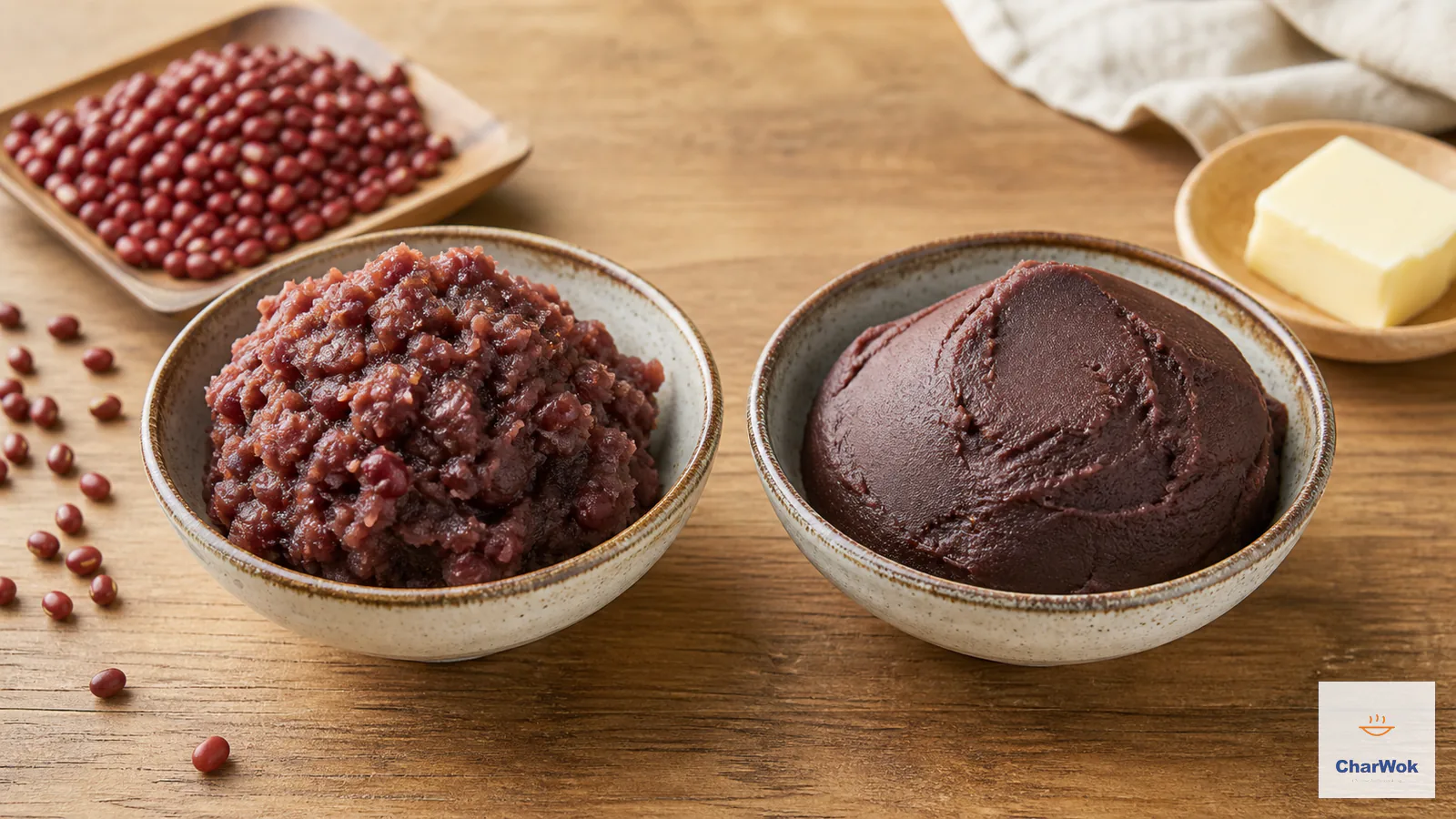
The recipe is forgiving about which treasures you use, but not about the rice or the bean paste. Use real glutinous rice, not Arborio or jasmine, and use a paste that tastes good enough to eat off a spoon. If you can, make the red bean paste yourself; the canned stuff is often flat and overly sweet. A smooth paste melts into the rice; a chunky one gives you little bursts of bean, which I prefer.
| Ingredient | Amount | Notes / substitute |
|---|---|---|
| Glutinous rice (sticky rice) | 200 g (about 1 cup) | Both short-grain and long-grain sticky rice work. Short-grain is chewier. |
| White or brown sugar | 1 tbsp (15 g) | Brown sugar gives a deeper, caramel note. Rock sugar, crushed, also works. |
| Red bean paste | 3 tbsp (~45 g) | Homemade red bean paste is best; canned is fine. Swap for black sesame paste for a nutty variation. |
| Mixed dried fruits and nuts | 1 generous handful (about 60 g) | Jujubes, raisins, dried cranberries, dried apricot, walnuts, pumpkin seeds, peanuts, lotus seeds. Aim for contrasting color. |
| Coconut oil | ½ tsp, plus extra | For the bowl. Butter or a neutral oil work; coconut oil releases cleanest. |
| Honey or osmanthus syrup | To drizzle, optional | Skip if your bean paste is already very sweet. |
Step by step
- Soak the rice overnight, fully submerged. Rinse 200 g glutinous rice under cold water until the water runs only faintly cloudy. Put it in a bowl, cover by at least 5 cm (2 in) of water, because the grains will swell nearly double. Soak 8 to 12 hours in the fridge. Drain thoroughly, then toss with the sugar. The long soak is non-negotiable; it is what guarantees no hard center later.
- Rehydrate the hard treasures. Jujubes, peanuts, lotus seeds, and almonds are too tough to eat straight out of the pantry. Soak them in separate bowls of water overnight too. Soft items like raisins, cranberries, dried apricot, walnuts, and pumpkin seeds need no soaking. Pit and halve the jujubes if they still have stones.
- Oil the bowl generously, and mean it. Coat every surface of a heatproof bowl with coconut oil, including the rim. Use more than feels reasonable. My bowl is about 15 cm (6 in) across and 7 cm (2¾ in) deep, and I use a good ½ teaspoon plus a second pass with a paper towel. This single step decides whether your flip is clean or a disaster. Use a deeper bowl rather than a shallow one so the bean paste sits hidden inside the rice, and leave at least 1 cm (½ in) of headroom above the rice for it to expand.
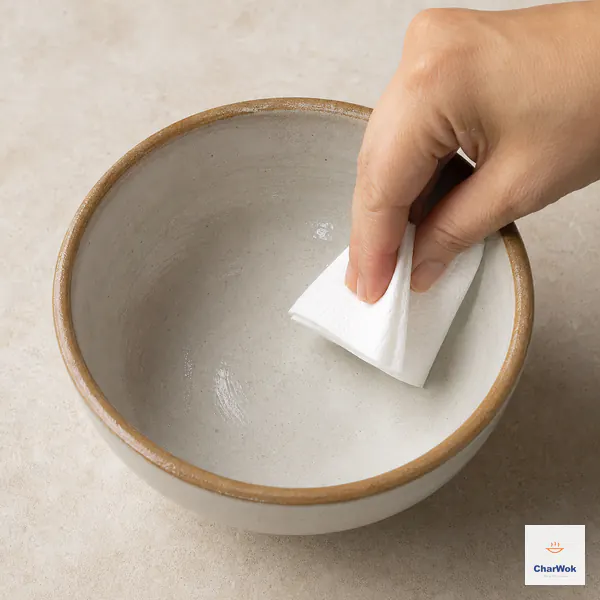
Oil every surface and the rim; a missed dry patch is where the pudding will tear
- Lay the treasure pattern face-down. Arrange the fruits and nuts in a single layer across the bottom of the oiled bowl. This is the side that will show, so take your time. A simple radial pattern of jujube halves and pumpkin seeds reads just as well as something elaborate; the rice will press everything flat as it steams.
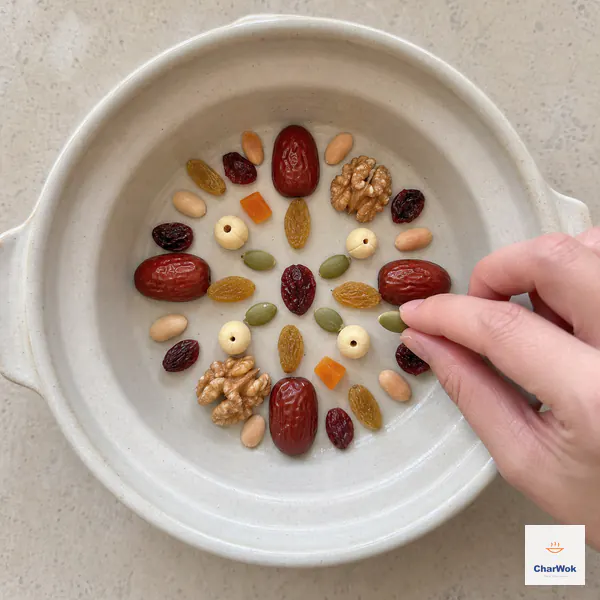
Keep the treasures face-down in one flat layer—the bowl bottom becomes the finished top
- Build the rice-and-paste sandwich. Spoon in half the rice and spread it gently to cover the treasures, pressing lightly so the layer is even and reaches the edges. Flatten the red bean paste into a disc slightly smaller than the bowl and set it in the center, not touching the sides. Add the rest of the rice, smooth the top, and press again with the back of a spoon. The paste must stay fully enclosed; if it touches the bowl wall it will stick and tear on release.
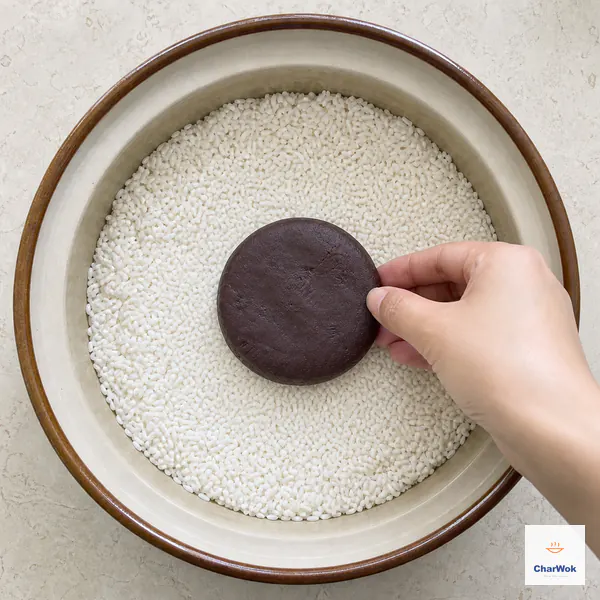
Center the paste with rice showing all around, then cover it completely so it cannot stick to the bowl
- Add water only to the rice line, slowly. Pour water down the side of the bowl, a thin stream, until it just reaches the top of the rice. This is the most often botched step. Too little and the top stays firm; too much and the bottom turns to paste and the pattern smears. Aim for water level with the rice surface, no more.
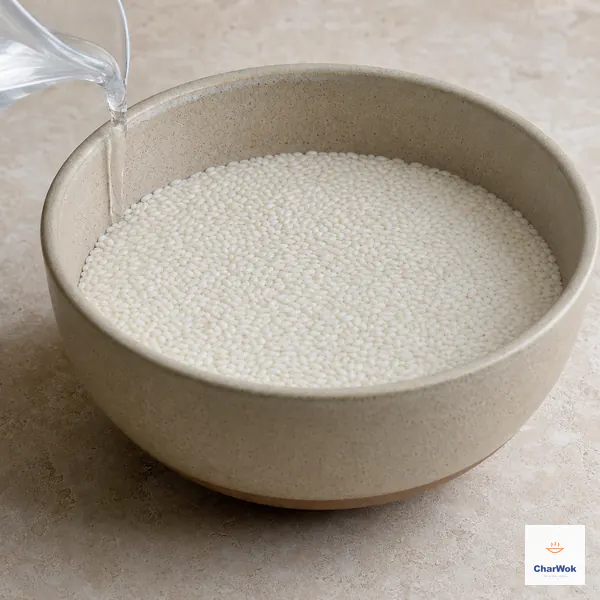
Pour against the wall and stop at the rice line—never leave a standing layer above it
- Steam 50 minutes, and watch the water level. Set the bowl in a bamboo steamer or on a rack in a pot with a tight lid. Steam over medium heat for 50 minutes. Check the pot water around the 25-minute mark; steamers go through water faster than you expect and a dry pot will scorch and crack. Top up with boiling water, never cold, so the steam does not collapse.
- Rest, then flip with confidence. Pull the bowl out and let it rest 10 minutes. This lets the starch set just enough to hold together. Run a thin spatula or butter knife around the edge to break the seal. Lay a flat serving plate over the bowl, press it firmly against the rim with both hands, and in one smooth motion flip the whole stack. Lift the bowl straight up. If a few treasures stuck, just press them back onto the top; no one will know.
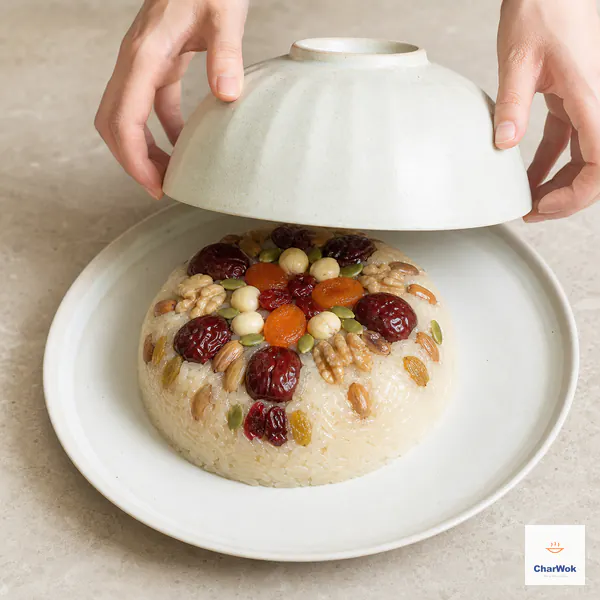
After the 10-minute rest and edge release, lift the bowl vertically instead of twisting
- Serve warm or at room temperature. Drizzle with honey if you want it sweeter. The pudding is best warm, when the rice is at its most yielding, but it holds up beautifully at room temperature, which makes it a useful make-ahead dessert.
When things go wrong
I have wrecked this dish in nearly every way possible, so here is the diagnostic list.
The flip collapses into a heap. Almost always means the rice was over-watered at step 6, so the bottom layer turned to paste and could not hold the dome. Next time stop pouring the instant water reaches the rice line. It can also mean you skipped the 10-minute rest, so the starch had not set when you flipped.
Treasures stay glued to the bowl. You under-oiled, or your bowl has a rough glazed surface that bites into the fruit. Re-oil more generously, and favor smooth ceramic or glass. Pressing the treasure layer lightly into the oil before adding rice also helps them release as a sheet.
Hard, chalky grains in the center. The soak was too short, or the water level in step 6 was too low. Eight hours minimum in the fridge; do not rush it with hot water, which cooks the outside and blocks water from reaching the core.
The bean paste leaked out the side. Your paste disc was too wide and touched the bowl wall, or you did not seal it between full layers of rice. Keep the disc a good centimeter inside the rice border all the way around.
Scorched smell halfway through steaming. The pot ran dry. Always start with plenty of water and check at the midpoint, topping up with boiling water from a kettle.
Variations and pairings
Swap the filling and you have a new dessert. Black sesame paste makes a rich, almost savory-sweet version that is a favorite in Shanghai. A knob of mashed sweetened adzuki with a little mashed chestnut is classic for autumn. Or skip the paste entirely and bury a layer of finely chopped candied winter melon, osmanthus-scented sugar, and toasted pine nuts between two layers of rice.
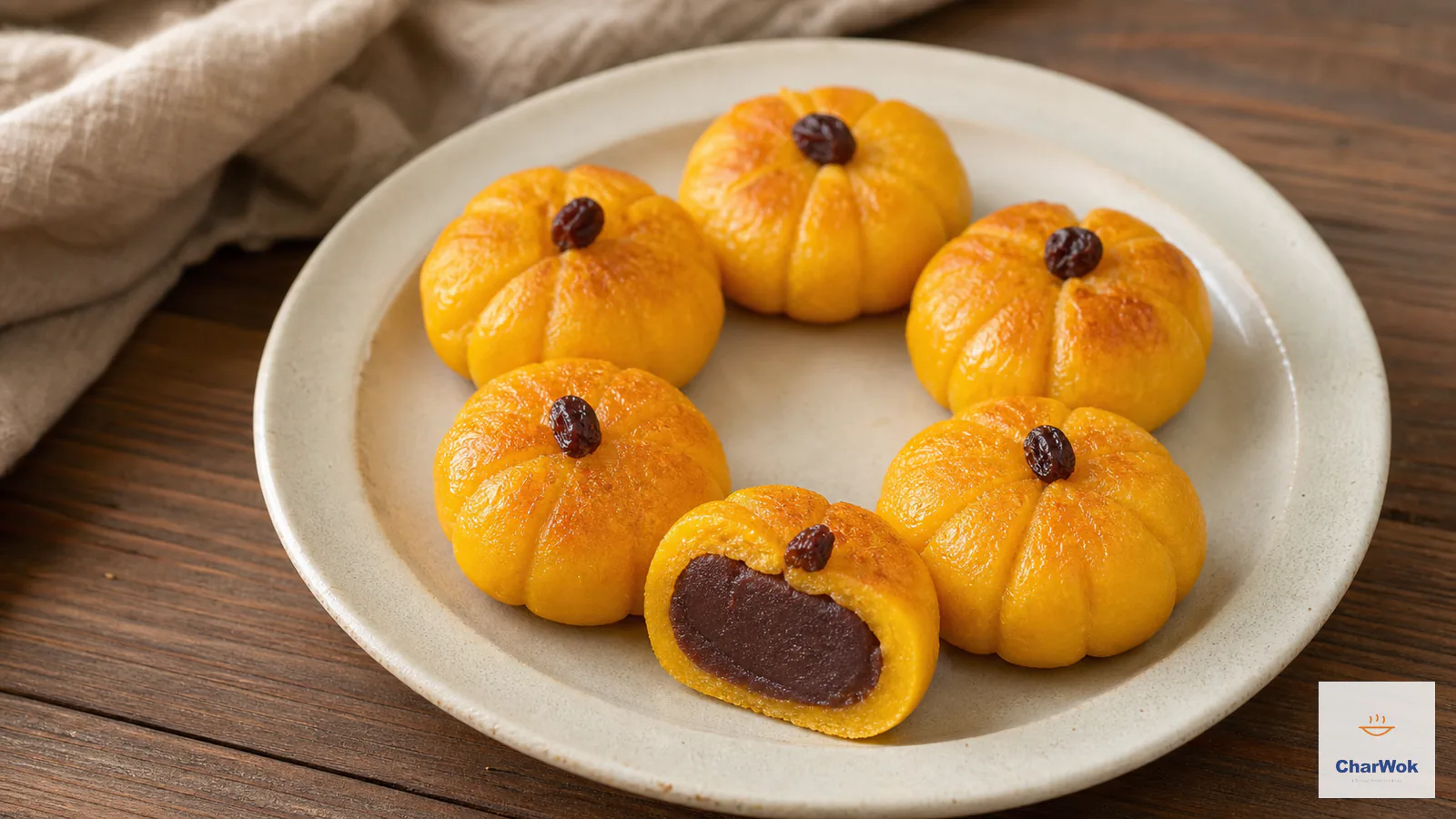
For the treasures, lean into color: dried cranberry and candied orange peel for red, pumpkin seeds and pistachio for green, jujube and dried apricot for amber. Do not use fresh fruit, which weeps water and dilutes the rice. If you love the sticky-rice-and-fruit combination, you will also enjoy sticky rice stuffed lotus root and the pan-fried pumpkin mochi with red bean paste.
This is a dessert, so pair it with the rest of a festive table rather than another sweet. It closes out a meal of savory dishes beautifully: serve it after nian gao, the New Year rice cake, is already on the table for a double-sticky finish, or alongside tang yuan glutinous rice balls in a smaller portion. If you are building a full holiday spread, it slots into the sweet slot on our broader list of festive-season recipes.
Storage and reheating
Once completely cool, the pudding keeps in the fridge, tightly wrapped, for up to 3 days, or in the freezer for 2 months. Freeze it already inverted on its plate so it keeps its shape. To reheat, thaw overnight in the fridge if frozen, then steam for 10 minutes until the rice is soft and yielding again. Microwaving works in a pinch but tends to toughen the outside and leave the inside cold; steam is worth the extra pan.
You can also assemble the bowl a day ahead, cover it, and steam it just before serving, which is how I handle it when I am already juggling a dozen other dishes. It is one of the better make-ahead sticky rice preparations I know, which is why it earns its place at New Year, when the cook has enough to worry about.
Common questions
Can I use a rice cooker instead of steaming? You can cook the rice in a cooker, but you lose the layered look. A rice cooker gives you a flat bed of sticky rice, not a domed pudding with a hidden center. If you are short on time, cook the rice in the cooker with slightly less water than usual, then press it into the oiled treasure-lined bowl and steam just 15 minutes to set the shape.
Do I really need to soak overnight? Yes, for the classic texture. Anything under 6 hours leaves chalky centers. If you forgot, a 4-hour soak in warm (not hot) water will get you most of the way there, but expect a slightly less even grain.
What bowl shape works best? Round and fairly deep, 6 to 7 inches across, with smooth sides. Avoid anything with a patterned or ridged interior, since the rice and fruit will lock into the grooves and refuse to release. Glass and smooth ceramic are the most reliable.
Is it vegetarian? It is vegetarian as written, and vegan if you use coconut or neutral oil rather than butter and skip the honey. Check your store-bought bean paste for lard, which some brands include.
Why this one is worth the flip
Eight Treasure Rice asks for patience rather than skill. The hard parts are waiting, the overnight soak, the 50-minute steam, the 10-minute rest, and being honest with the oil brush. Get those right and the dish more or less makes itself. The reward, when the bowl lifts off and that fruit mosaic stares up at you, is the kind of moment that makes people think you are a much better cook than you actually are. I will take that trade any New Year.